What Is an Experiential Hotel? For Those Who Want More Than Just Sightseeing: Enjoy Japanese Culture & Food! Recommended Places to Stay
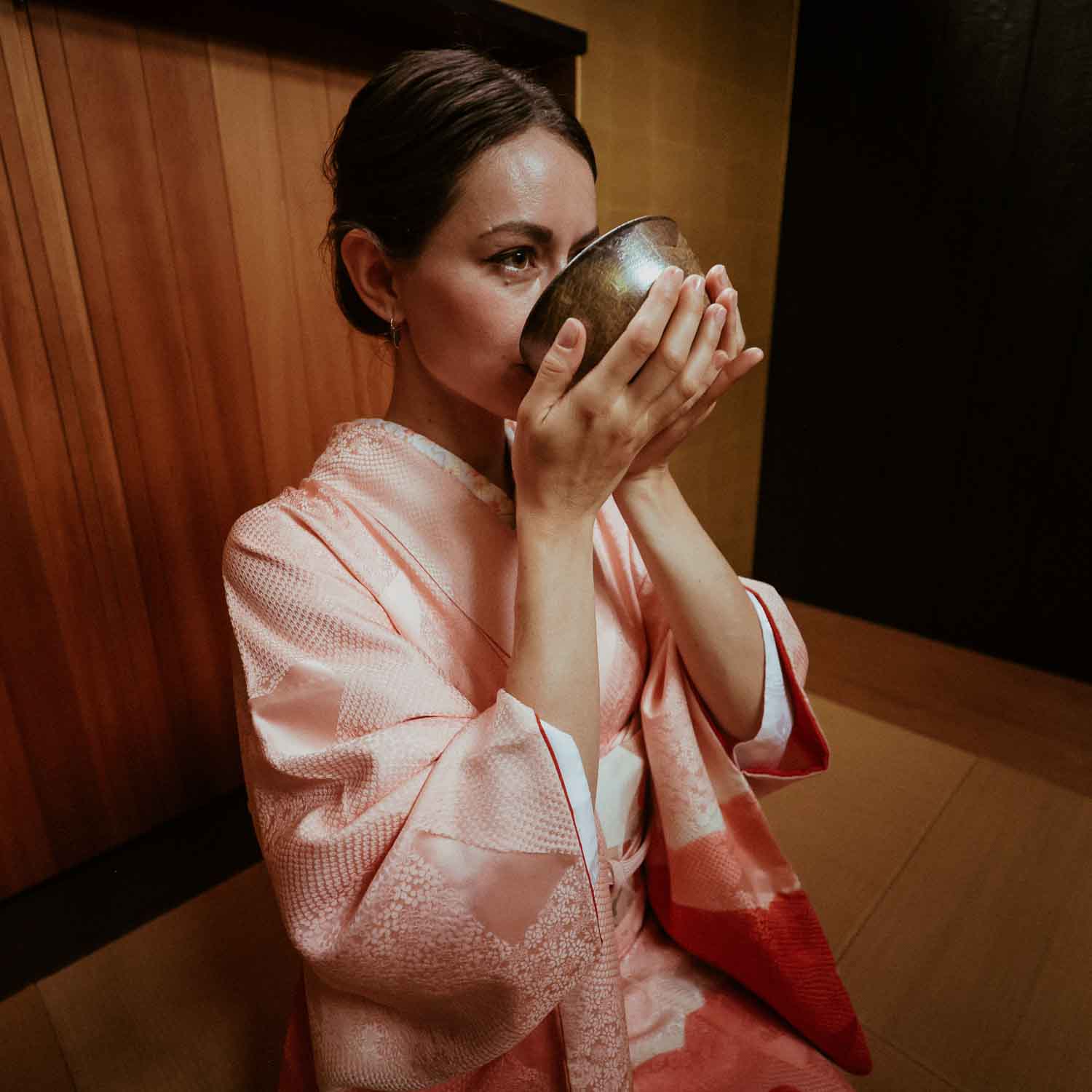
An experiential hotel is a type of hotel where you don’t just stay overnight—you can also deeply enjoy the appeal of the area through food, culture, and local experiences unique to the destination.
It offers benefits such as creating learning opportunities and memories you can’t get from simply visiting tourist spots, and it has been gaining popularity among beginners and inbound travelers as well.
In this article, we clearly explain the basic features of experiential hotels, the kinds of cultural experiences you can enjoy inside hotels, and key points for choosing the right one.
We also introduce recommended accommodations where you can enjoy a stay that focuses on cultural experiences.
If you want to turn your trip from “staying” into a special time of “experiencing,” please use this article as a guide.
What Kind of Hotel Is an Experiential Hotel?
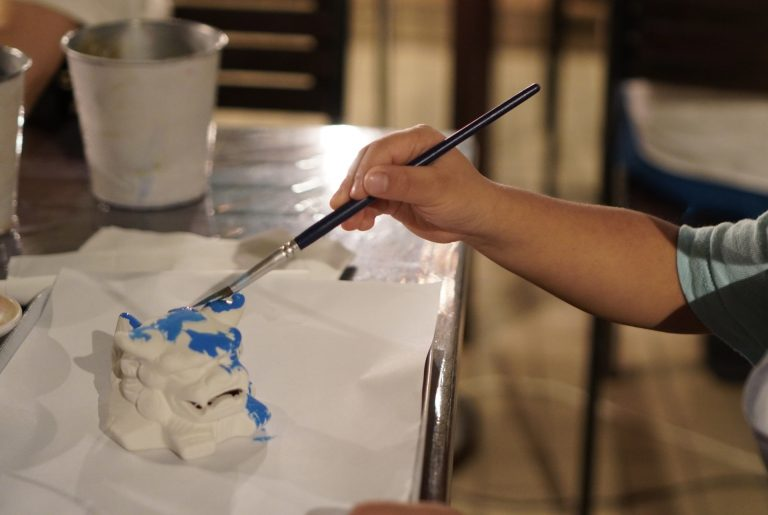
An experiential hotel is a hotel that places importance on “having an experience” in addition to staying overnight.
Rather than simply spending the night, it offers the chance to feel value unique to the location through food, culture, art, local interaction, and more.
Some experiences are completed entirely within the hotel, while others are offered as programs in collaboration with the surrounding community, making your time during the stay feel more fulfilling.
It is easier to gain a deep sense of satisfaction that you can’t get just by visiting tourist spots, and in some cases, people choose the hotel itself as the main purpose of the trip.
What Can You Experience at an Experiential Hotel?
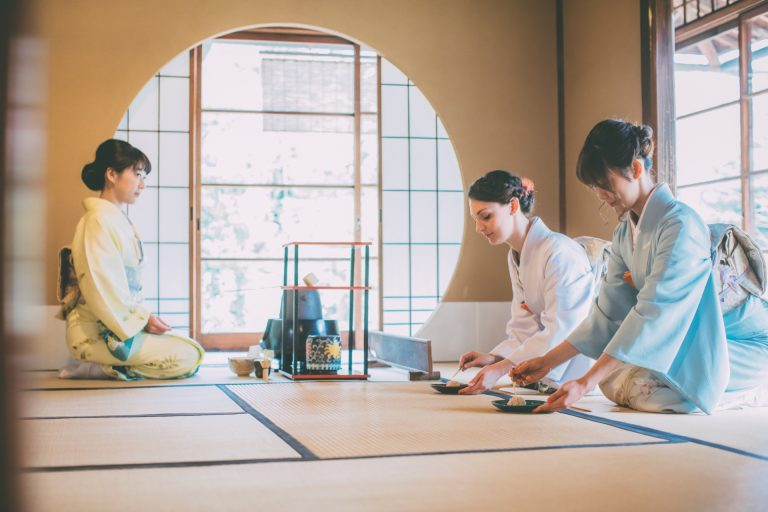
The experiences offered at experiential hotels vary widely.
Typical examples include cooking classes and food experiences using local ingredients, cultural experiences such as tea ceremony, calligraphy, and wagashi (Japanese sweets) making, as well as art creation and workshops.
Some hotels also combine activities such as guided town walks with a local guide or nature-based activities.
Because special experiences are often prepared to match travelers’ goals, another appealing point is that these hotels can accommodate a wide range of guests—from families with children to adults taking “learning-focused” trips.
Cultural Experiences Are Popular! Why They’re Drawing Attention
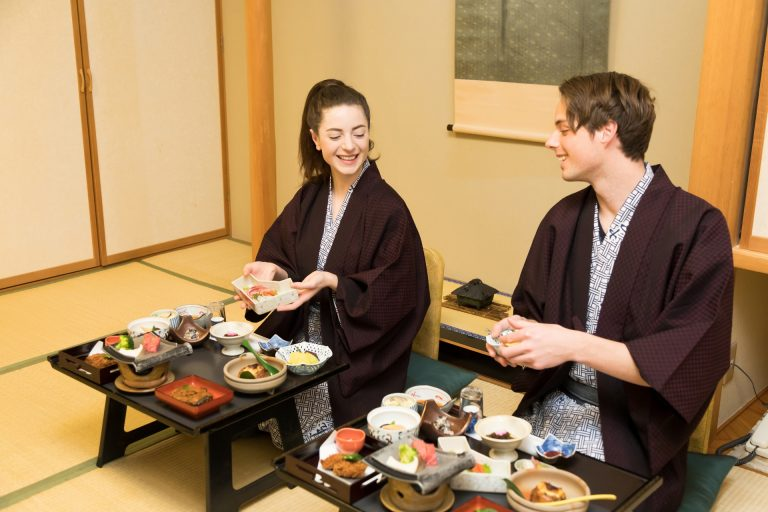
Experiences that let you feel “Japan-ness” and unique local traditions tend to feel more valuable than sightseeing alone and are more likely to remain in your memory.
Here are several reasons cultural experiences have been attracting attention.
The Value of Experiencing Japanese Culture Firsthand Is Being Emphasized
In recent years, travel has increasingly valued not only visible tourist attractions but also whether you can “feel what makes the place unique.”
By learning the history and background and actually using your hands, your understanding deepens—and this is part of what makes cultural experiences so appealing, even in a short amount of time.
Because these experiences are offered in the safe and comfortable environment of a hotel, they are easy for beginners to join casually, lowering the psychological barrier to Japanese culture, which is one reason they have become so popular.
There Is Demand for Memory-Focused Travel
As the value of travel shifts from “places” to “experiences,” cultural experiences are also recommended as a way to create lasting memories.
Instead of only taking photos, the process of what you did and what you learned is more likely to stay in your memory, and it becomes easier to talk about after you return home, which is why these experiences are attracting attention.
Experiences with a sense of specialness tend to raise overall satisfaction, and they are often chosen by people who want to make anniversary trips or family trips feel more fulfilling.
Inbound Factors
The increase in inbound travelers to Japan is also a major factor behind the growing attention to cultural experiences.
For overseas travelers, the convenience of being able to experience something inside the hotel with minimal travel effort is high, and it also helps them use their limited time more effectively—making these plans genuinely popular.
Types of Cultural Experiences You Can Do Inside a Hotel
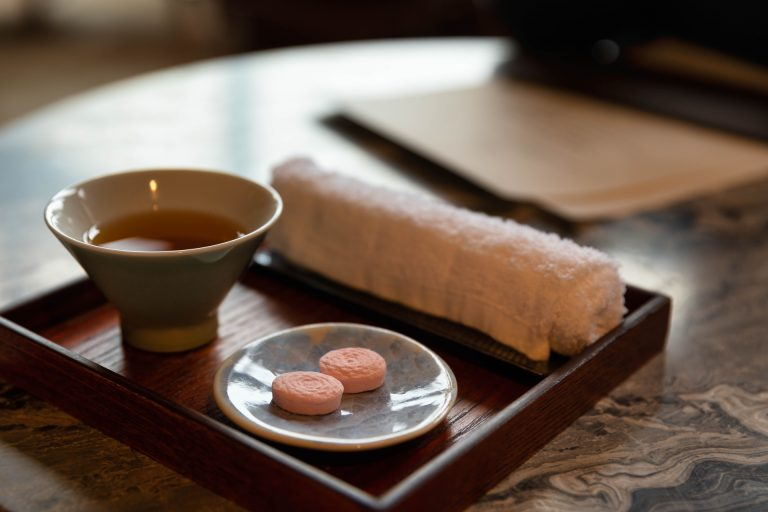
Because hotel cultural experiences can be completed inside the building, they are less affected by weather or scheduling issues, and the environment is often set up so that first-timers can join easily.
Here, we introduce especially popular cultural experiences by category.
Tea Ceremony & Wagashi
Tea ceremony and wagashi-making are representative hotel cultural experiences that let you enjoy Japanese culture with all five senses.
By learning the etiquette and the meaning behind the tools while actually participating, you deepen your understanding not only of the form but also of the cultural background.
In wagashi-making, you can also experience Japan’s unique sense of aesthetics through designs that incorporate seasonality.
Because satisfaction is high even in a short time, many hotels adopt these experiences as activities that are easy to join regardless of age or nationality.
Kimono & Yukata
Kimono and yukata experiences are popular as traditional cultural activities that people have few opportunities to try in everyday life.
Through dressing, you can learn the structure of the clothing and the movements it encourages, and many plans also allow you to stroll around the hotel or nearby areas—making it highly photogenic and recommended.
Because kimono experiences can feel difficult to try on your own, enjoying them at a hotel makes them more accessible, and they are likely to remain as a special travel memory.
Calligraphy & Handicrafts
Calligraphy and handicraft experiences let you touch the spirituality of Japanese culture and the appeal of handwork.
Through the gestures of writing and the focused time, you can feel a quiet side of Japanese culture.
Handicraft experiences often allow you to try traditional techniques in a simplified way, and another attraction is being able to take your finished piece home.
Experiences that leave a tangible result tend to increase satisfaction as a travel keepsake.
Food Culture Experiences
Food culture experiences let you practice while learning about Japanese ingredients, cooking methods, and ways of thinking about meals.
Topics can range from how to make dashi, to cooking regional dishes, to experiences involving fermented foods.
Because you can understand culture through food, the experiences are highly practical and easy to apply in daily life after returning home.
They are often offered as meal-included plans and have been attracting attention as high-satisfaction experiences.
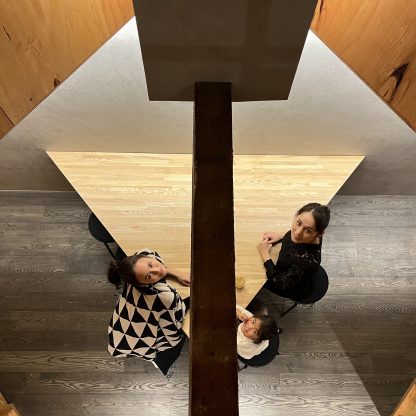
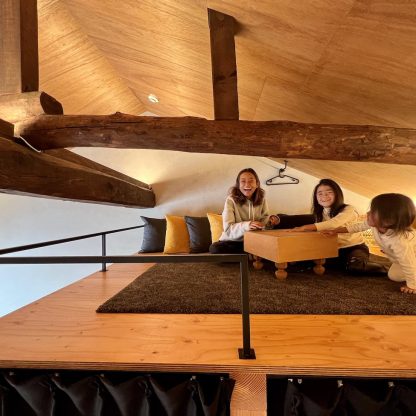
Introducing the Live Kitchen Plan at “CONTEXTED Osaka”!
This is an experiential plan at “CONTEXTED Osaka” that has been drawing a lot of attention from guests who value cultural experiences.
In particular, it enables a style of staying where you can “taste Japanese culture as an experience,” such as food and attire, integrating sightseeing and accommodation into one.
It can be said to be a plan suited to those who want time that remains in their memory, rather than ending with just staying at a hotel.
Live Kitchen Plan
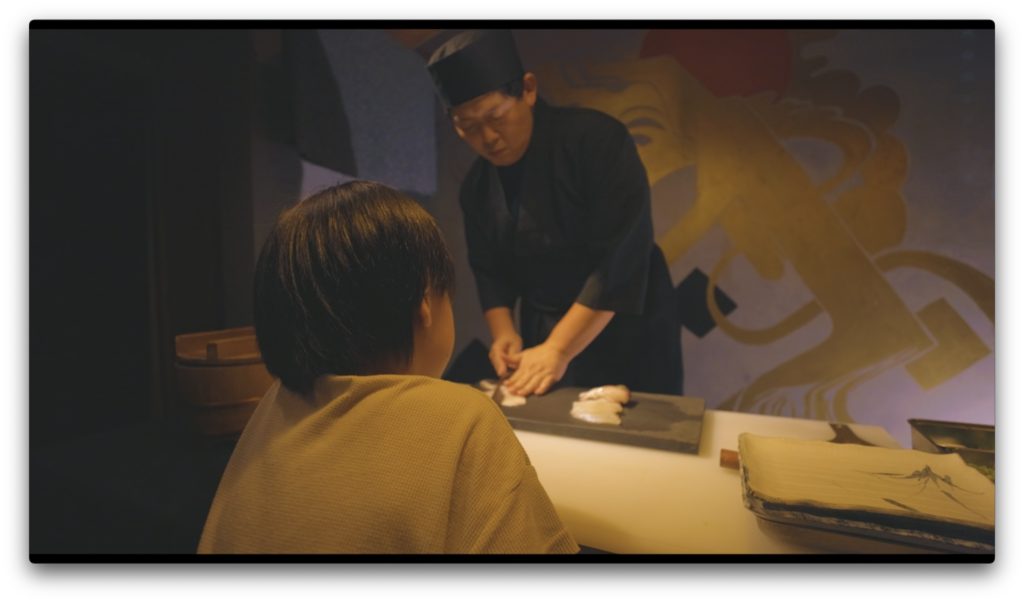
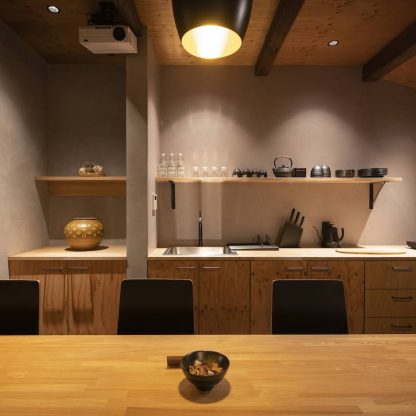
From the moment you open the door, the room turns into a “restaurant.”
As the dishes are finished right in front of you, even the aroma and sounds become part of the feast, turning the meal into an event.
With a live style where you can choose sushi or Italian, the tempo of conversation naturally rises, and whether it’s an anniversary or a family gathering, it becomes a plan that leaves you thinking, “I’m glad we chose this place.”
For the actual menu contents, usage scenes, and how to book, the details page for the live kitchen plan introduces them with photos.
→ Click here for details of the Live Kitchen Plan
Kimono Experience Plan
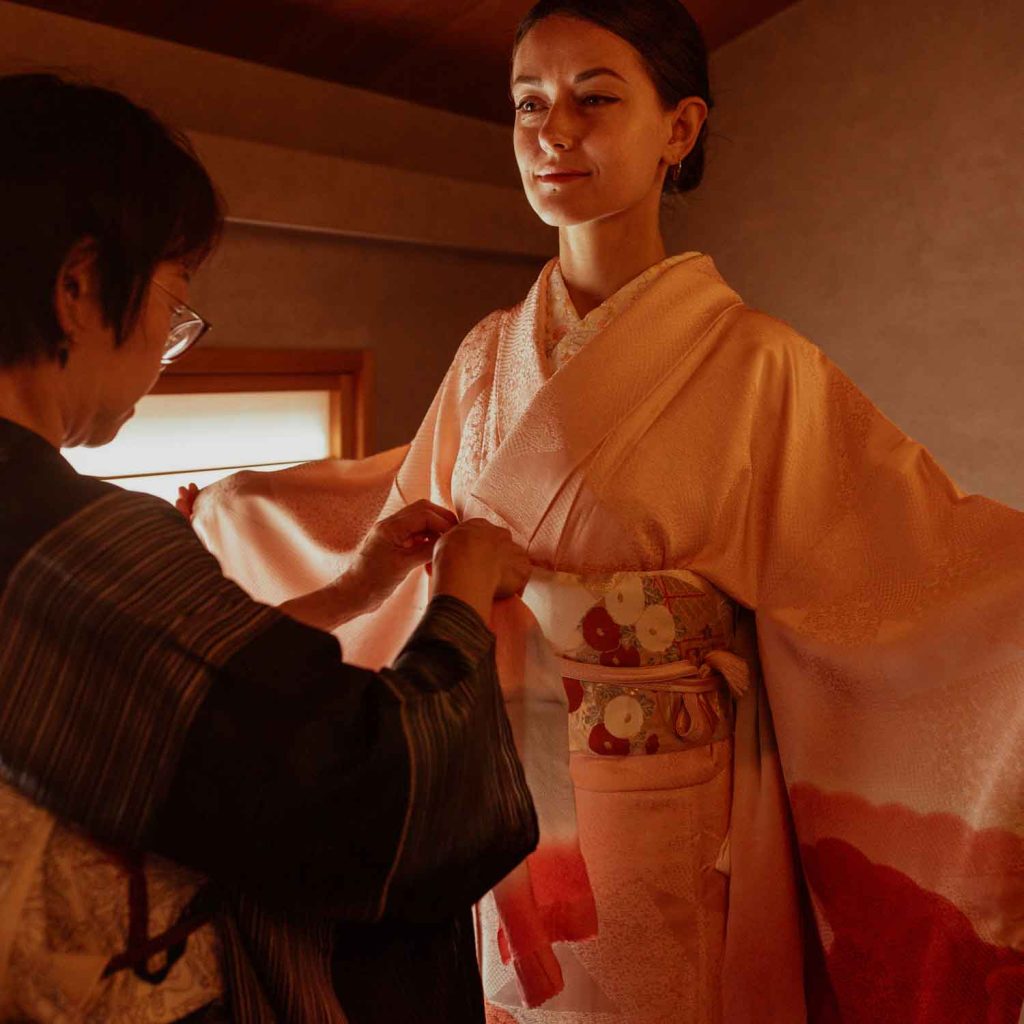
“It sounds like a lot of work to prepare a kimono”—the charm of staying + kimono is that it helps you get past that barrier.
Once you are fully dressed inside the hotel, you can head out into the city just as you are.
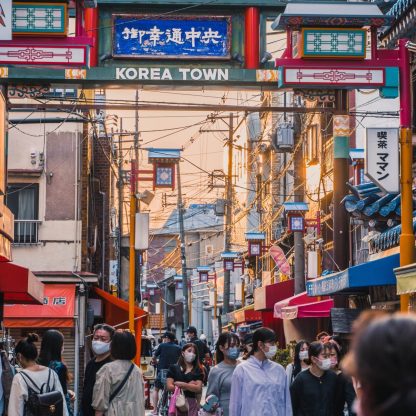
The retro scenery of Tennoji and Shinsekai, as well as the quiet slopes, look especially beautiful in Japanese attire.
With every step, you’ll want to take photos—and it can become an experience that makes you think, “I want to wear one again next time.”
The dressing process, areas where you can experience it, and plan details are summarized in detail on the plan’s introduction page.
→ Click here for details of the Kimono Experience Plan
How to Book Cultural Experiences at a Hotel
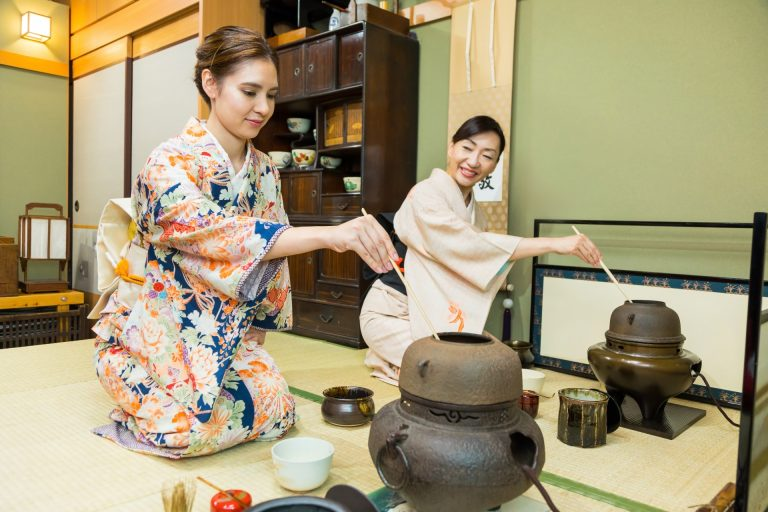
To enjoy cultural experiences at a hotel, advance reservations are generally required, and in many cases you select a plan that includes the cultural experience from the list of accommodation plans on the official website.
Because some experiences have limits on the number of participants or fixed dates and times, try to book early.
Also, in some cases you can add the experience as an option after booking your stay, so if your schedule isn’t fully decided yet, it’s a good idea to check flexibly.
If you confirm the required time and target age range in advance, it becomes easier to plan your stay.
Booking via the Official Website Is Recommended!
When booking cultural experiences at a hotel, applying through the official website is recommended.
On the official website, accommodation plans that include cultural experiences are often already bundled, so you can check the experience content, dates and times, and whether additional fees apply all at once.
Also, the official website often offers the lowest price.
On external booking sites, fees may be added, whereas the official website does not include such costs, so you may be able to book the same content at a lower price.
In addition, compared with booking sites, the official website more reliably reflects the latest availability and accurate plan details, which offers peace of mind.
If you want to fully enjoy cultural experiences, it’s a good idea to consider booking through the official website, where you can confirm both the stay and the experience together.
3 Recommended Accommodations Where You Can Enjoy Cultural Experiences
Accommodations that put effort into cultural experiences are spreading throughout Japan.
Here, we introduce three facilities that are highly regarded for allowing you to experience Japanese culture along with your stay.
Hotel Emion Kyoto
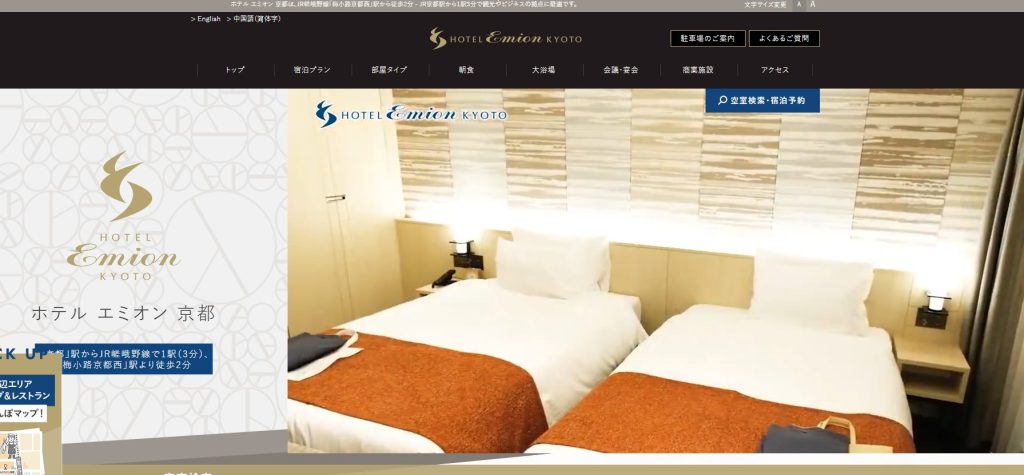
Source: Hotel Emion Kyoto Official Website
Hotel Emion Kyoto offers plans where you can enjoy Kyoto-style tea ceremony cultural experiences together with your stay.
The content focuses on experiencing Kyoto’s traditional culture, such as tea ceremony and wagashi, allowing you to spend time learning that you can’t get from simply visiting tourist sites.
The design makes it easy even for first-time participants to join, and it is also attractive for being close to the station and easy to access, reducing the burden of travel.
Shima Kanko Hotel
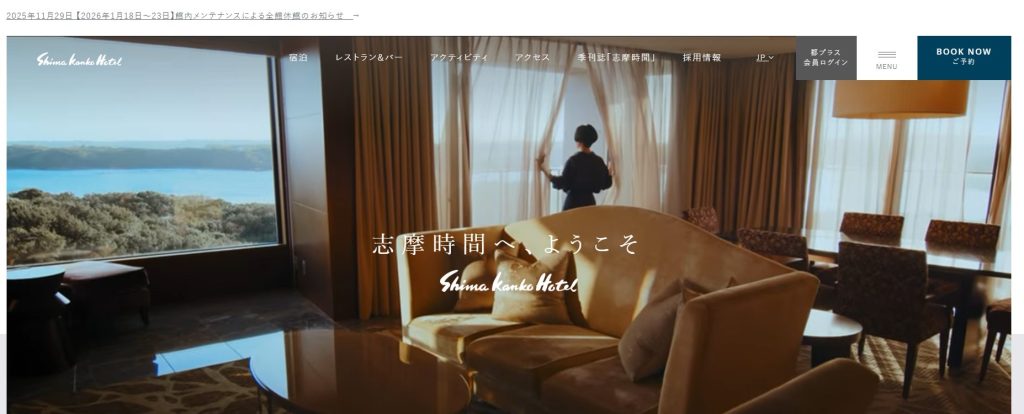
Source: Shima Kanko Hotel Official Website
Shima Kanko Hotel provides programs where you can touch the spirituality of Japanese culture through calligraphy experiences.
Time spent facing the characters in a calm environment can become a special experience away from daily life.
It blends the extraordinary feel unique to a resort hotel with cultural experiences, making it recommended for stays where you want adult learning and relaxation.
Craft Inn Te [té]
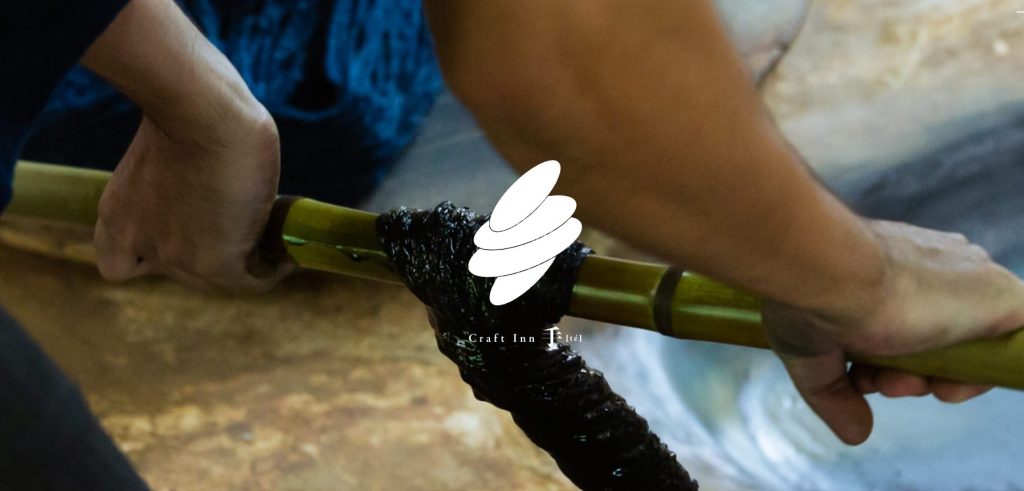
Source: Craft Inn Te [té] Official Website
Craft Inn Te [té] is an experiential accommodation centered on handicrafts.
A major feature is that you can actually experience the region’s manufacturing culture, and by creating works, your understanding of the land’s background and techniques deepens.
Because the experience itself becomes the center of the stay, it is suitable for people who are interested in culture and handwork.
Being able to take your finished item home is also appealing, as it is easy to keep as a memory.
Frequently Asked Questions About Cultural Experiences at Hotels
Among those considering cultural experiences at hotels, many people likely have questions they want to confirm in advance, such as “Can anyone participate?” or “How do I make a reservation?”
Here, we summarize common questions when using hotels with cultural experience options.
Q1. Can non-guests participate in cultural experiences?
Cultural experiences are often provided mainly for hotel guests, but depending on the facility, they may accept external participants.
However, it is common for capacity to be set with guests given priority.
If you want to participate without staying overnight, it’s best to check in advance on the official website or through the inquiry contact.
Q2. Is advance reservation required? Can I sign up on the day?
Many cultural experiences require advance reservations.
Due to preparation and instructor arrangements, it is not uncommon that same-day participation is not possible.
If you definitely want to participate, it is recommended to select an experience plan when booking your stay or complete your application early.
Q3. Can beginners participate without problems?
Most cultural experiences are designed with beginners in mind.
Because they explain how to use the tools and the basic flow carefully, you can participate without prior knowledge.
The experience time is often set relatively short, so you can join easily even during a busy trip.
Q4. Is English support available?
As inbound demand increases, more hotels are offering cultural experiences with English support.
In some cases, English explanation materials or simple interpretation support may be provided.
However, support differs by facility, so if you are traveling from overseas or want English support, it’s smoother to check before booking.
Q5. Are there additional fees?
The pricing system for cultural experiences differs depending on the hotel.
Some plans include the experience fee in the accommodation price, while others charge separately as an optional add-on.
Because the cost varies depending on the content and required time, check the fee breakdown when booking.
Summary
Experiential hotels offer the major appeal of letting you do more than simply stay—you can feel the local culture and value unique to the destination.
Through experiences such as tea ceremony, kimono, and food culture, the satisfaction of your trip and the depth of your memories can change greatly.
Cultural experiences that can be completed inside the hotel are easy for beginners and inbound travelers to participate in, and demand will likely continue to grow.
If you are considering a stay that emphasizes cultural experiences, be sure to also check the plans at “CONTEXTED Osaka,” where you can enjoy both accommodation and experiences together.
You will surely feel a stay where the trip itself becomes a special experience.