Osaka Sightseeing Model Courses by Length of Stay From Half a Day to 2+ Nights: Where You Should Go
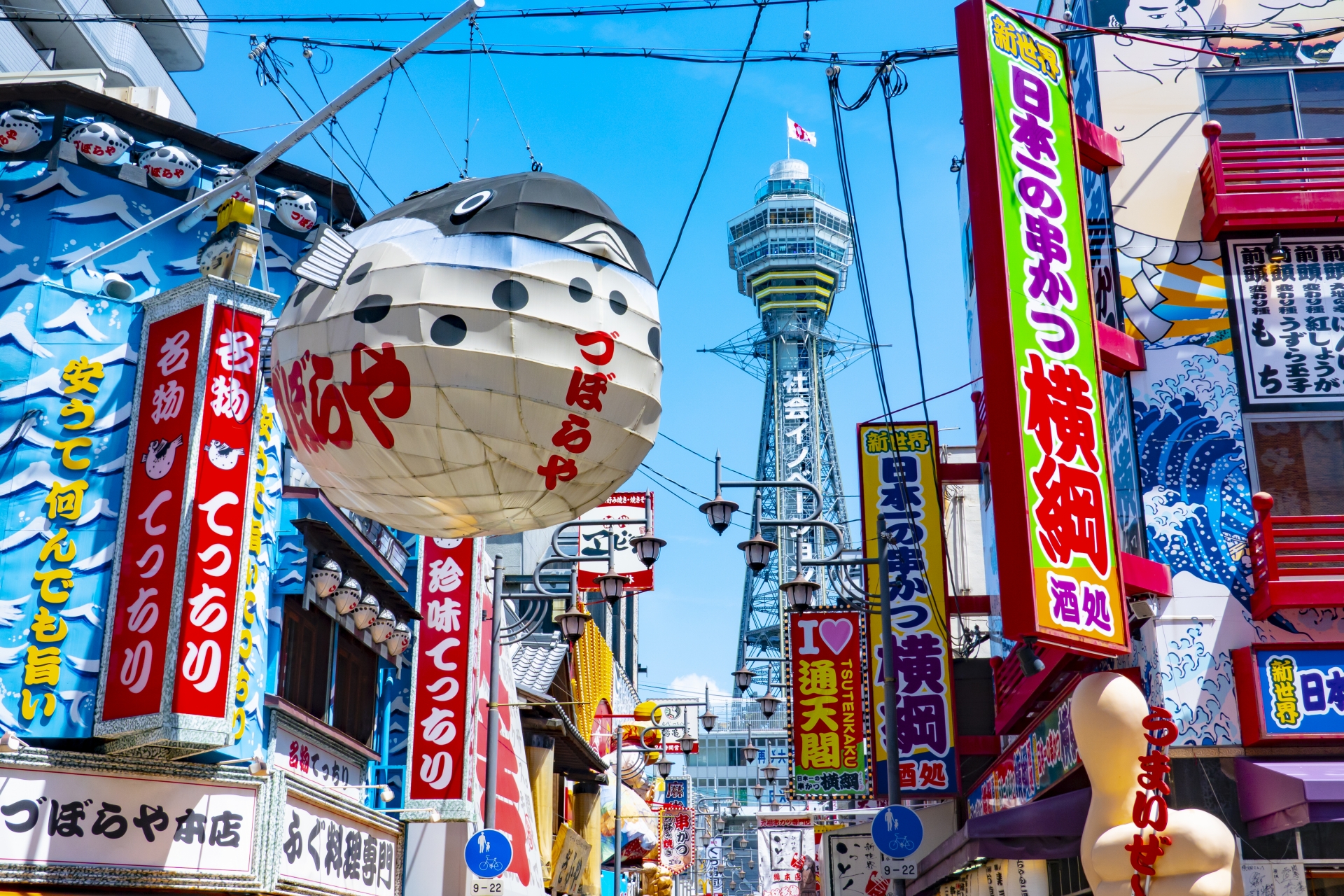
Osaka is home to countless आकर्षactive spots, but Umeda, Namba, and Tennoji—although all within Osaka City—have completely different atmospheres and distances. If you plan them in the wrong order, you may end up spending most of your time just moving between areas.
In particular, first-time visitors often feel overwhelmed by the size of major stations and the complexity of transfers.
Since you’re traveling, you naturally want your limited time to turn into wonderful memories.
This article introduces ready-made model courses by length of stay, from half a day to two nights or more, designed to minimize mistakes. Even first-time visitors to Osaka can follow these routes with confidence.
If you want to fully experience “Osaka-ness” even with limited time, use this as your guide.
What Are the Benefits of Using a Model Course?
Using a model course allows you to sightsee while already considering travel time and pacing in advance.
When traveling, deciding “where to go” is often easier than deciding “in what order to visit places.” In Osaka, this is especially challenging.
Because Osaka has many attractions spread across wide areas, moving around without prior planning can result in spending most of your time in transit.
To enjoy Osaka efficiently within limited time, check a sightseeing model course beforehand. Even first-time visitors gain peace of mind knowing they can simply follow a reliable route, reducing time spent getting lost or feeling exhausted.
Tips for Choosing an Osaka Sightseeing Model Course
There are many Osaka sightseeing model courses available, but your level of satisfaction depends greatly on which one you choose.
Here are some key ideas to help beginners select a course with fewer risks of disappointment.
Recognize Umeda, Namba, and Tennoji as “Separate Areas”
A common misconception in Osaka sightseeing is that “Umeda, Namba, and Tennoji are close to each other.”
Although they are all within Osaka City and connected by train, each area has a distinct atmosphere and distance. It is safer to think of them as separate zones.
Umeda is a business and commercial district with a modern urban feel. Namba is lively and packed with gourmet spots and sightseeing attractions. Tennoji features parks and a calmer cityscape.
Trying to visit all three in one day often leads to spending most of your time in transit, leaving little room to enjoy the actual sightseeing. When selecting a model course, limit yourself to one or two areas per day for a smoother experience.
Reduce Travel Time
More than the attractions themselves, walking through large stations or navigating transfers can be surprisingly exhausting.
For first-time visitors unfamiliar with the layout, travel can take longer than expected.
When choosing a model course, check whether attractions are close to one another or accessible via a single train line.
By reducing travel time, you create space to stop at cafés, take photos, and enjoy the moment.
Beginners Should Minimize Transfers
For beginners, model courses with few transfers—or those mainly within walking distance—are highly recommended.
Osaka’s rail network is convenient but complex. Routes with multiple transfers may cause confusion and fatigue before sightseeing even begins.
Walking routes allow you to absorb the city’s atmosphere along the way. If train travel is necessary, aim for routes that require only one line or a maximum of one transfer.
[Half Day] Two Classic Courses for First-Time Visitors
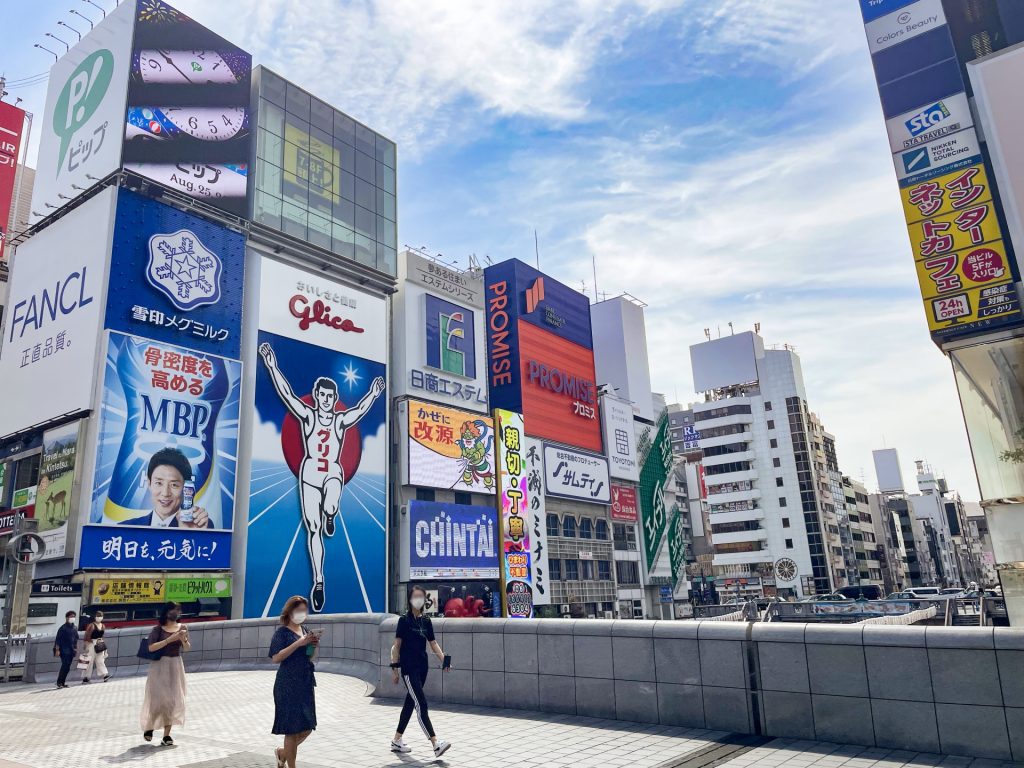
Even if you only have half a day—such as upon arrival or before departure—you can still enjoy Osaka.
The key is to focus on areas where you can feel “Osaka-ness” while keeping travel distances short.
Here are two classic half-day model courses that are beginner-friendly and satisfying in a short time.
Food-Focused Course | Namba & Dotonbori
If you want to enjoy Osaka’s gourmet scene, center your visit around Namba and Dotonbori.
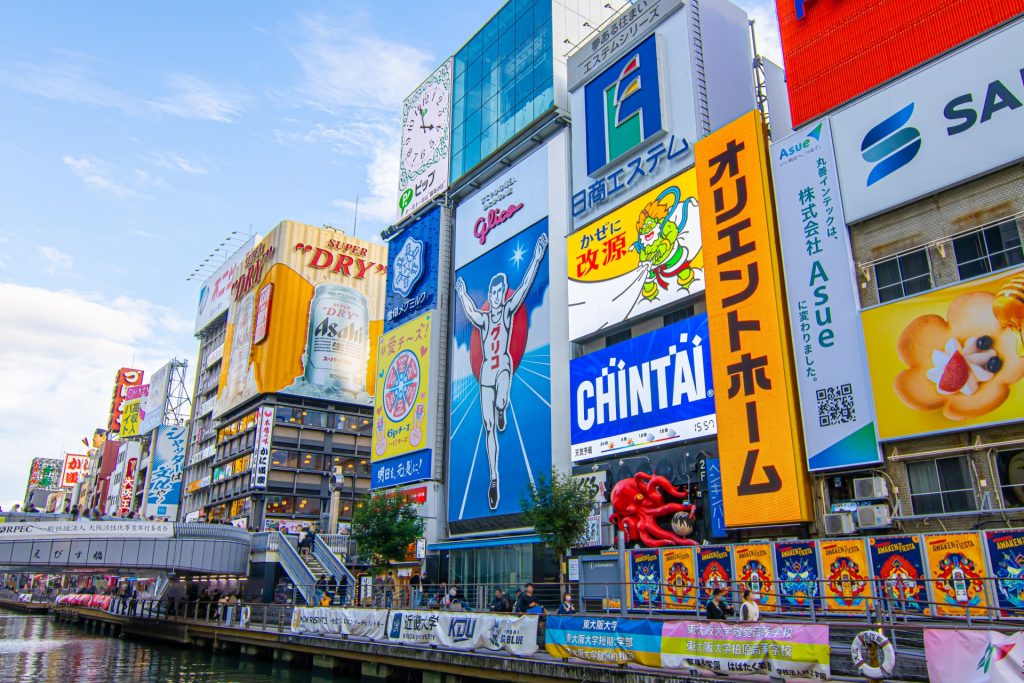
From Namba to Dotonbori, countless restaurants are within walking distance. You can efficiently try famous Osaka dishes like takoyaki and okonomiyaki.
The iconic Glico sign and other photo spots add to the sightseeing atmosphere.
Because travel time is minimal, this course offers a strong sense of “I’ve arrived in Osaka” even within half a day.
History Course | Osaka Castle Area
If you prefer history and culture, focus on the Osaka Castle area.
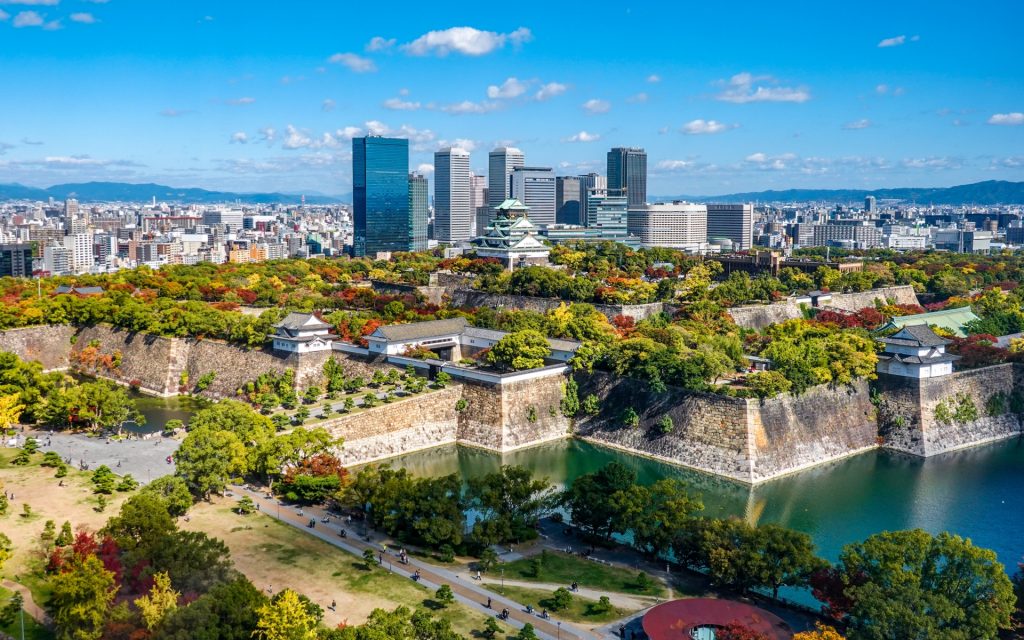
Osaka Castle sits within a large park, allowing relaxed strolls even for those not used to sightseeing.
The park is well maintained, and seasonal scenery adds to its appeal.
Compared to bustling entertainment districts, this quieter setting leaves a lasting impression even during a short visit.
[Full Day] Two Classic Osaka Courses
With a full day available, you can experience Osaka in a balanced way.
Planning your day around morning, lunch, afternoon, and evening helps avoid feeling rushed.
Here are two reliable full-day combinations for first-time visitors.
Food & History Course | Osaka Castle, Kuromon Market, Dotonbori
This course combines history and gourmet highlights.
Start the morning at Osaka Castle to explore the city’s historical roots.
At lunchtime, head to Kuromon Market for street food and fresh seafood.
In the afternoon and evening, walk around Dotonbori to experience Osaka’s lively energy.
This balanced mix of outdoor sightseeing, food, and city strolling helps prevent fatigue while delivering a satisfying experience.
Urban Trend Course | Umeda, Nakazakicho, Shinsaibashi
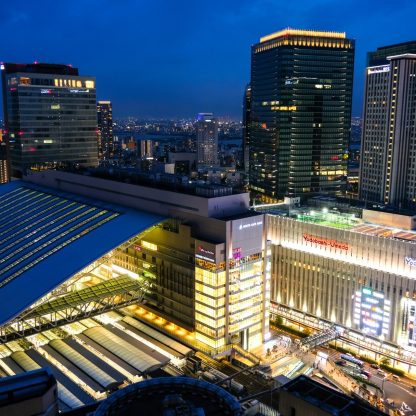
For those who prefer a modern city vibe, start in Umeda.
Spend the morning visiting observation decks and large shopping complexes.
In the afternoon, head to Nakazakicho for cozy cafés and boutique shops.
Finish the evening in Shinsaibashi with shopping and dinner.
This course blends vibrant and calm areas, making it ideal for those who prefer a less tourist-heavy feel.
[1 Night, 2 Days] Relaxed Osaka Courses
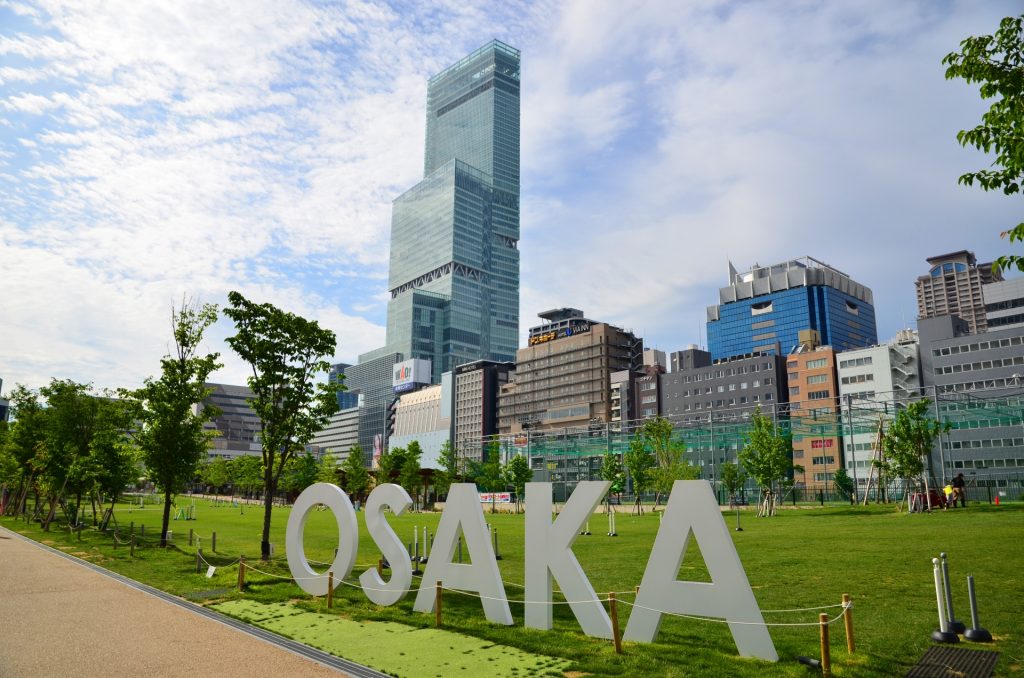
With one night and two days, avoid cramming too many destinations.
Spend the first day in lively districts and the second day in calmer areas for a well-balanced trip.
Accommodation also plays a key role in a comfortable stay.
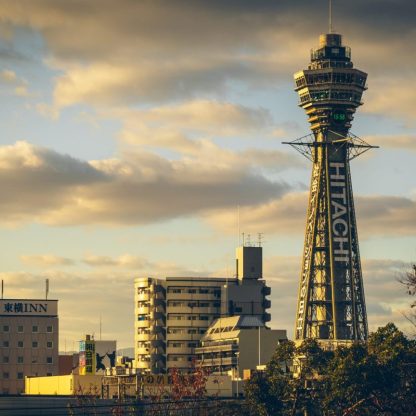
For those exploring the Tennoji area, consider staying at “CONTEXTED Osaka,” where the stay itself becomes part of the experience.
Classic + Hidden Gems | Namba & Tennoji
Day 1 focuses on lively Namba, enjoying street walks and gourmet spots around Dotonbori.
Day 2 shifts to Tennoji for parks and a more relaxed atmosphere.
By dividing energetic and calm experiences across two days, you can appreciate Osaka’s diverse character.
Mature Shopping Course | Umeda, Shinsaibashi, Namba
For shopping enthusiasts, center your trip on urban districts.
Day 1 in Umeda offers large commercial facilities and observation spots.
Day 2 moves from Shinsaibashi to Namba, exploring trendy shops and restaurants.
Walking through these areas allows you to absorb the city’s vibe naturally.
[2 Nights or More] Fully Enjoy Osaka
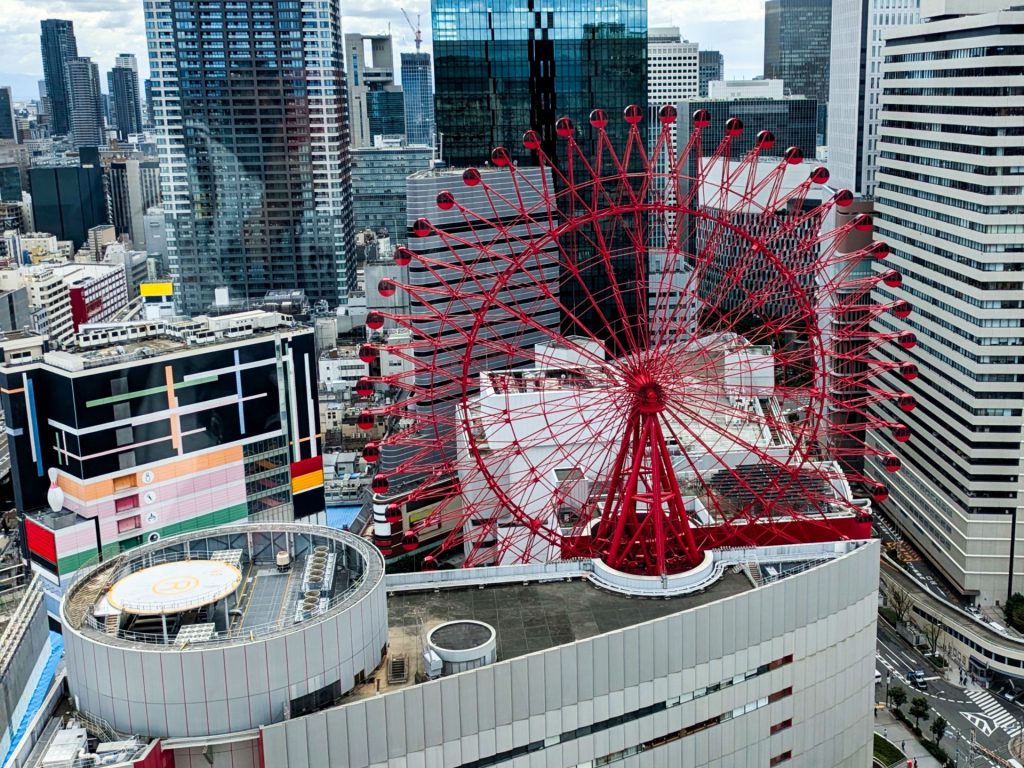
With two or more nights, you can add breathing space to each day and enjoy not only attractions but also the atmosphere and meals.
Below are two recommended approaches.
Ultimate Classic Course | USJ & Osaka City
If visiting Universal Studios Japan (USJ), dedicate an entire day to it.
Theme park visits require stamina, so avoid combining them with other sightseeing on the same day.
On remaining days, explore central areas such as Namba, Shinsaibashi, or Osaka Castle at a relaxed pace.
Major Area Course | Umeda, Namba, Tennoji
For first-time visitors wanting to cover major highlights, dedicate one day per area.
Day 1: Umeda for shopping and city views.
Day 2: Namba for gourmet and lively streets.
Final Day: Tennoji for parks and a calmer finish.
Focusing on one area per day simplifies travel and reduces stress.
Common Mistakes in Osaka Model Courses

Overpacking One Day
Trying to visit too many places in one day leads to exhaustion. Even if spots look close on a map, station transfers and waiting times add up.
A model course should serve as a flexible guideline, not a strict checklist.
Underestimating Travel Time
Osaka’s rail system is extensive. Underestimating transfer time often reduces sightseeing hours and increases fatigue.
Only Visiting Famous Spots
While landmarks like Osaka Castle and Dotonbori are essential, limiting yourself to famous attractions may leave your experience feeling generic.
Adding nearby neighborhoods or less touristy streets enriches the journey.
Tips to Enjoy Osaka Even More
Avoid Peak Seasons
Golden Week, summer holidays, and New Year periods are especially crowded. If possible, visit on weekdays for a more relaxed experience.
Eat Outside Peak Hours
Have lunch around 11:00 a.m. and dinner around 5:00 p.m. to reduce waiting times.
Wear Comfortable Shoes
Station walking and city strolling quickly add up. Prioritize comfort over style for a more enjoyable trip.
Recommended Hotel for a Relaxed Stay in Osaka
Stylish Hidden Retreat “CONTEXTED Osaka”
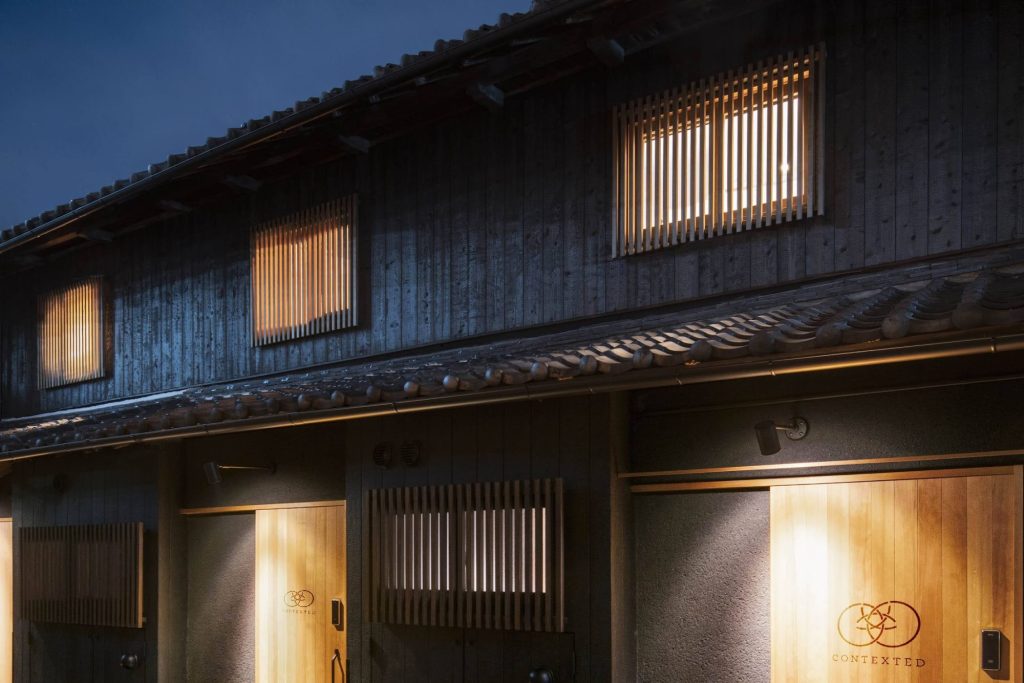
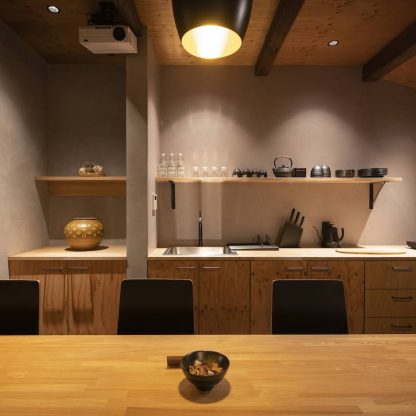
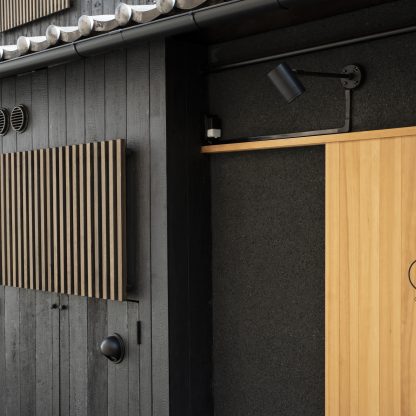
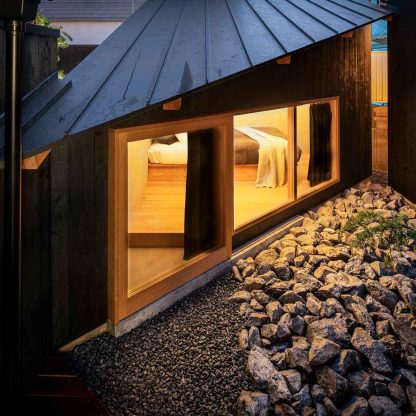
“CONTEXTED Osaka” is a renovated 100-year-old traditional townhouse located in Ikuno Ward, Osaka City.
It offers three uniquely themed buildings: “SORA,” “TEN,” and “GEN,” each designed around the concept of creating special moments.
■ Renovated historic townhouse over 100 years old
■ Each building accommodates 7–8 guests, up to 23 in total
■ Modern amenities (high-speed Wi-Fi, large projector, washer-dryer, etc.)
■ Convenient location for sightseeing while enjoying local downtown charm
■ 24-hour supermarket, shopping street, and public bath nearby
If you want your accommodation to be part of your travel memories, consider staying at “CONTEXTED Osaka.” Experience Japanese culture and art in a space designed for unforgettable moments.