Best Ramen in Osaka: 5 Practical Stops from Teradacho, Tsuruhashi and Tennoji

If you are searching for the best ramen in Osaka, choose by your day: Dokugakuya is an easy late meal near Teradacho, Kotan works well with families in Tennoji, Tenkaippin is for rich chicken-based “kotteri,” and RAMEN .R suits a hungry late night after Namba or Shinsekai.
Where should you eat ramen near Teradacho and Tsuruhashi?
For a straightforward bowl near your accommodation, Yokohama Iekei Ramen Dokugakuya is the practical pick: it is a one-minute walk from JR Teradacho Station on the Osaka Loop Line. It is a neighbourhood shop rather than a polished restaurant floor, with pork-and-soy broth in the air by evening.
Dokugakuya: choose your bowl, then keep the evening moving
Dokugakuya serves Iekei-style tonkotsu shoyu ramen: creamy pork-bone and soy broth with a savoury finish. Choose noodle firmness, broth strength and oil level, useful when one person wants a lighter bowl and another wants the rich version. Standard ramen, fully topped bowls, mazesoba and tsukemen give small groups options.
It is listed as open 11:00 to 24:00, with a fourth-Sunday afternoon closure from roughly 14:00 to 20:00; check current information before going. A bowl at this kind of local ramen shop is commonly around ¥1,000–¥1,500 before extras, though menus and prices can change. With 36 seats and a counter-heavy layout, I would choose it for one to three people rather than a long multi-generation dinner.
From Teradacho, JR Tennoji is about 2 minutes by Osaka Loop Line. That short hop means you can eat locally after a day out instead of making one more crowded trip into Namba. Guides often send everyone to Dotonbori, but a ramen night around Teradacho or Tennoji is easier for families with shopping bags and tired children.
A short Tennoji ramen route that does not waste the day
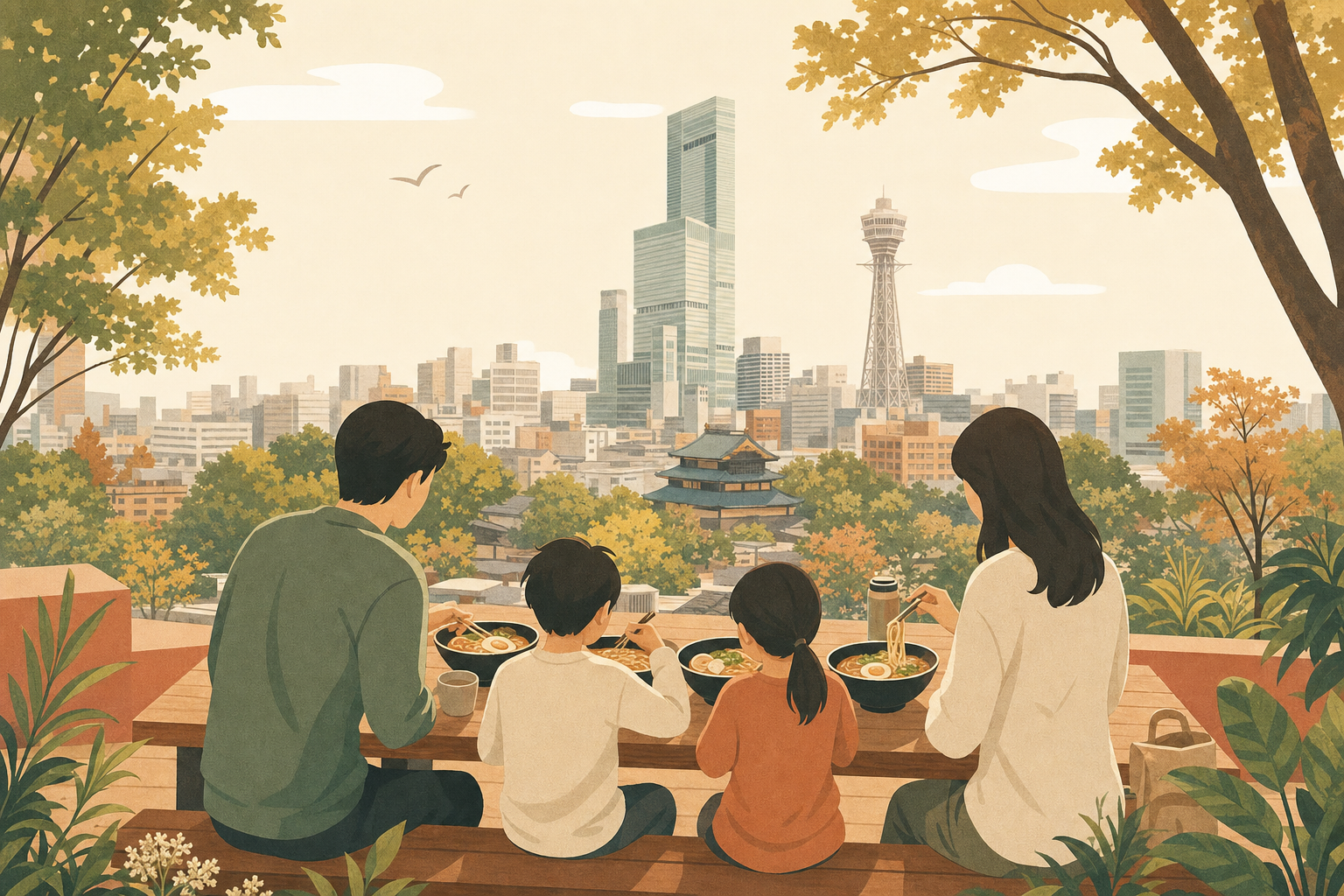
If you are travelling with grandparents and children, build ramen around Tennoji’s lifts, department-store floors and benches rather than chasing a famous queue. Abeno Harukas, Tennoji Park and Tennoji Zoo can fill a day; ramen becomes the warm finish.
Morning at Tennoji
Start around Tennoji Park or the zoo area, then keep lunch flexible rather than queueing at noon.
Late lunch at Kotan
Take the lift to the 12th floor of Abeno Harukas, or use the underground abechika branch for a quicker station meal.
Evening near Teradacho
Ride one stop on JR Osaka Loop Line and use Dokugakuya if the group still wants a late bowl.
Which Tennoji ramen is easier for families and groups?
For a seated family meal, Ramen Kotan at Abeno Harukas is the easiest choice here because it has sofa seating and sits directly by Osaka-Abenobashi Station. It is on the 12th floor of the Abeno Harukas Kintetsu Main Store Tower Building, about one minute from Kintetsu Minami Osaka Line’s Osaka-Abenobashi Station.
Kotan at Abeno Harukas: the calmer table option
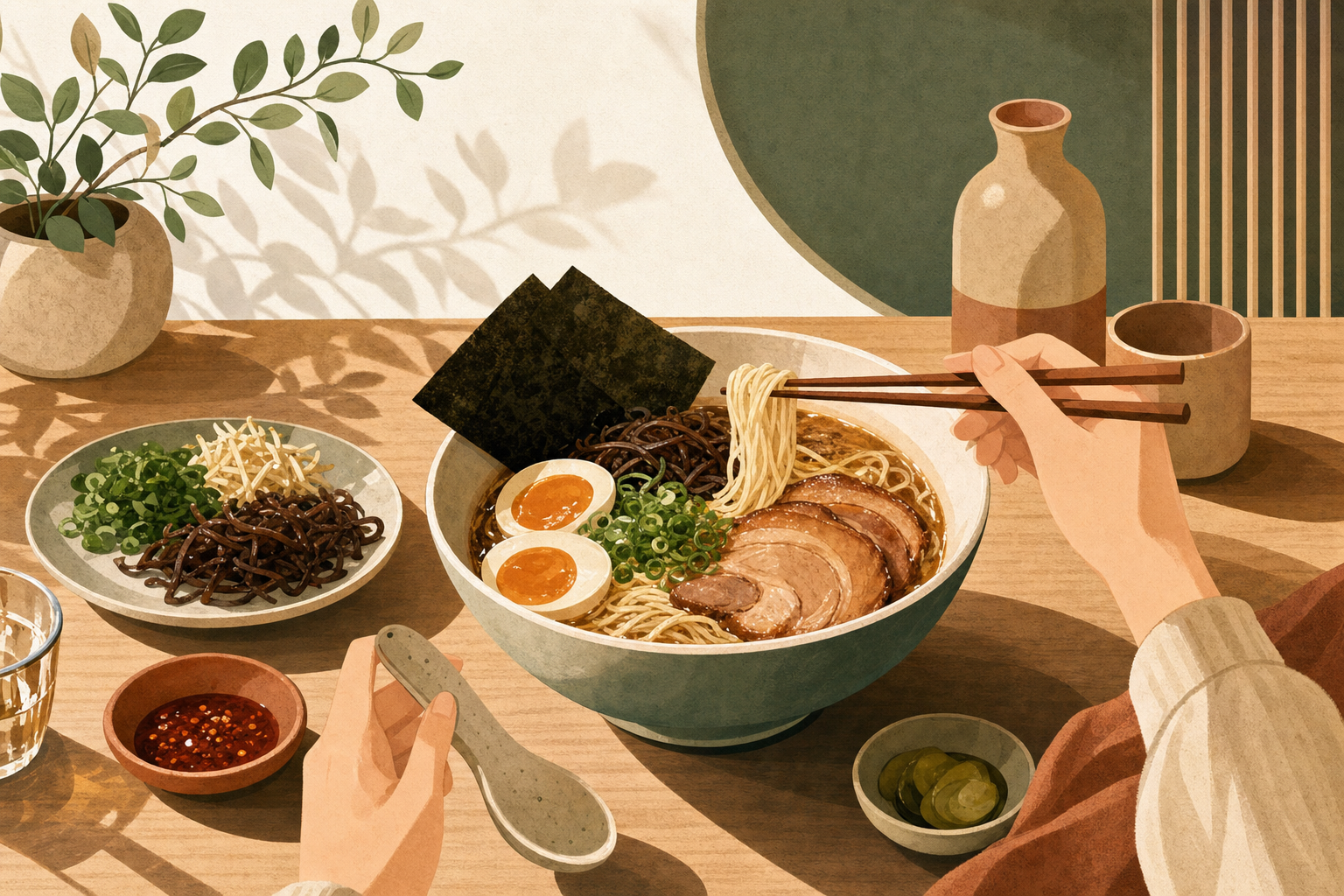
Kotan is a long-running Osaka ramen name, known for mellow, rich soup and original medium-thick noodles. It is not trying to challenge you with an enormous portion or intense garlic, which is why it works after sightseeing with different ages at one table. The 33-seat restaurant includes counter and sofa seats, and is generally listed from 11:00 to 23:00 (last order 22:00; entry until 21:30), with the third Tuesday and some other dates potentially closed.
Expect roughly ¥1,000–¥1,800 per person depending on toppings and sides; confirm the current menu on the day. Around 12:00–13:30 and after department stores close can be busier. It is especially useful in rain: upstairs is the distant city view, while downstairs is the station concourse of suitcases, announcements and bakeries.
Kotan in abechika, or Tenkaippin at the north exit?
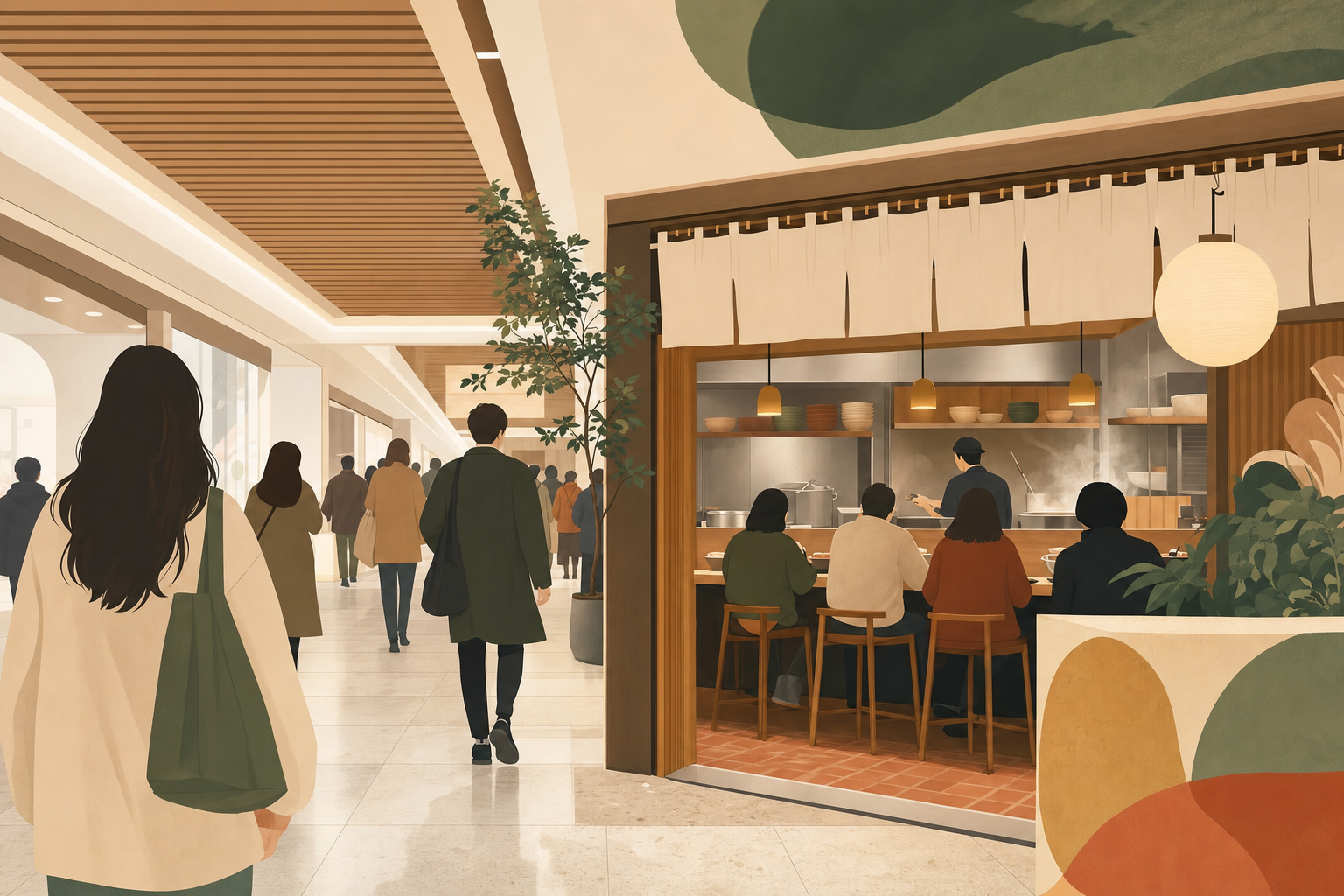
Ramen Kotan’s abechika branch is the alternative when you want to stay at station level. It is about one minute from Osaka Metro Tanimachi Line’s Tennoji Station, in the Abeno underground shopping area, has around 32 seats, and is generally listed 11:00–22:00 (last order 21:30). It can be more convenient for a quick lunch between trains, though underground passages feel busy at commuter hours.
Tenkaippin Tennoji Station North Exit is for travellers specifically wanting Kyoto-style chicken-based kotteri ramen. It is just by JR Tennoji Station’s north exit and generally open 11:00–24:00, last order 23:30, except around the New Year closure dates listed by the shop. The broth is famously thick and clingy rather than light. A rough ramen budget is ¥1,000–¥1,600.
- Choose Harukas Kotan when you need sofa seating and a proper sit-down break.
- Choose abechika Kotan when a station-level meal fits the route better.
- Choose Tenkaippin when “kotteri” is the point of the meal, not an afterthought.
- Choose Dokugakuya when you want Iekei ramen close to Teradacho late at night.
Is RAMEN .R worth the trip for late-night ramen in Osaka?
RAMEN .R Namba is worth the trip when your group wants a deliberately big, garlic-forward bowl after an evening in Namba, Den-Den Town or Shinsekai—not when you need a quiet, light dinner. The shop is at 5-17-18 Nipponbashi, Naniwa Ward, around four minutes on foot from Ebisucho Station on Osaka Metro Sakaisuji Line.
Go hungry, and understand what you are ordering

This is Jiro-inspired ramen with house-made noodles, shop-cooked soup, plenty of vegetables and optional garlic. It has 27 seats across counter and table seating, so it can accommodate a small family or group more readily than a counter-only shop, but portion size is the main consideration. If someone is not hungry, sharing side dishes or choosing another nearby meal may make more sense than ordering noodles they cannot finish.
It is generally listed from 11:00 until 4:00 the following morning, last order 3:59, with no regular closing day; late-night schedules can change, so check current information. A rough budget is ¥1,000–¥1,700. Around Ebisucho after dark, Nipponbashi’s hobby shops glow and late traffic hums. It is a very Osaka end to a big day, though not a subtle one. Garlic is part of the deal, so save it for after your final close-up photos.
From Tennoji, reaching Ebisucho is roughly 15–20 minutes by local train and walking, depending on route and transfer. From Tsuruhashi, allow roughly 25–35 minutes via Namba or Tennoji. From Shinsekai, walk from the Tsutenkaku/Jan-Jan Yokocho side toward Ebisucho after the kushikatsu counters start buzzing. Do not combine a full kushikatsu meal and large Jiro-style ramen unless your group has unusually serious appetites.
What are five sensible Osaka ramen choices for different travel groups?
These are not a universal ranking. They are five choices—including a stay base—where location and the shape of your trip make the decision simpler.
Dokugakuya, Teradacho
JR Teradacho Station, 1 minute on foot. Iekei tonkotsu shoyu with custom firmness, strength and oil; useful for one to three people and late arrivals.
Ramen Kotan, Abeno Harukas
Osaka-Abenobashi Station, 1 minute on foot. Mellow soup, medium-thick noodles and sofa seating; a sensible family stop after Harukas or Tennoji Park.
Ramen Kotan, abechika
Osaka Metro Tennoji Station, 1 minute on foot. Underground, 32-seat station option for a quick meal before or after a train.
Tenkaippin Tennoji Station North Exit
Immediately by JR Tennoji north exit. Thick chicken-based kotteri ramen; suited to travellers who want a rich, familiar late dinner.
RAMEN .R Namba
Ebisucho Station on the Sakaisuji Line, about 4 minutes on foot. Large Jiro-inspired bowls and late hours; for hungry night owls, with tables available.
CONTEXTED 大阪
A whole-house stay in the Teradacho/Tsuruhashi area for up to 23 guests. It suits families, groups and multi-generation trips that prefer gathering at one base, then choosing ramen nights locally or in Tennoji.
“Isn’t a hotel easier?” For a couple, often yes: a hotel beside a major station can be simplest. For eight relatives, two families or friends, separate hotel rooms can turn a ramen discussion into messages across several floors. Osaka is compact enough that your base does not need to be in Dotonbori. A place where everyone can regroup makes food choices—and the whole trip—less fiddly.
If Teradacho/Tsuruhashi is the shape of your stay, check the house layout, current maximum occupancy, dates and rates directly here: [Check availability & rates].
FAQ
Q: What ramen is closest to Teradacho Station? A: Yokohama Iekei Ramen Dokugakuya is about one minute on foot from JR Teradacho Station and generally serves until midnight, subject to its current schedule.
Q: Which ramen shop is most suitable for a family near Tennoji? A: Ramen Kotan at Abeno Harukas is the most practical family option here because it has sofa seating and is one minute from Osaka-Abenobashi Station.
Q: Where can I eat ramen late at night in Osaka? A: Dokugakuya and Tenkaippin Tennoji are generally listed until around midnight; RAMEN .R Namba is generally listed until 4:00 the following morning. Check current hours before travelling.
Q: Is RAMEN .R suitable for children or a mixed-age group? A: It has table seating, but its large Jiro-inspired portions and garlic-heavy style suit hungry diners more than those seeking a light meal. Kotan is usually the gentler mixed-age choice.
A ramen plan does not need to be a pilgrimage with a two-hour queue. Pick the bowl that fits the neighbourhood you are already visiting, leave room for the rest of Osaka’s food, and give your group an easy way home. For a larger party, current availability at CONTEXTED 大阪 is the practical next thing to check.
RESERVATION
A whole-house stay in Osaka for your group
Walkable to Tsuruhashi, Tennoji, Shinsekai, Dotonbori and Kuromon Market. Sleeps up to 23 — perfect for families and groups to book the entire house. Check availability and rates on the booking site.
Please confirm current rates, availability and amenities on the booking site.
Sources and practical notes
Restaurant hours, seating and locations above are based on the research information supplied for this guide; restaurant operations, prices and menu contents change. Before visiting, confirm current opening hours on each restaurant’s official listing or current map listing. Rail times are approximate and vary by connection, platform and walking pace.
Related articles