Osaka Unique Cultural Experiences: A Local Route Beyond the Neon
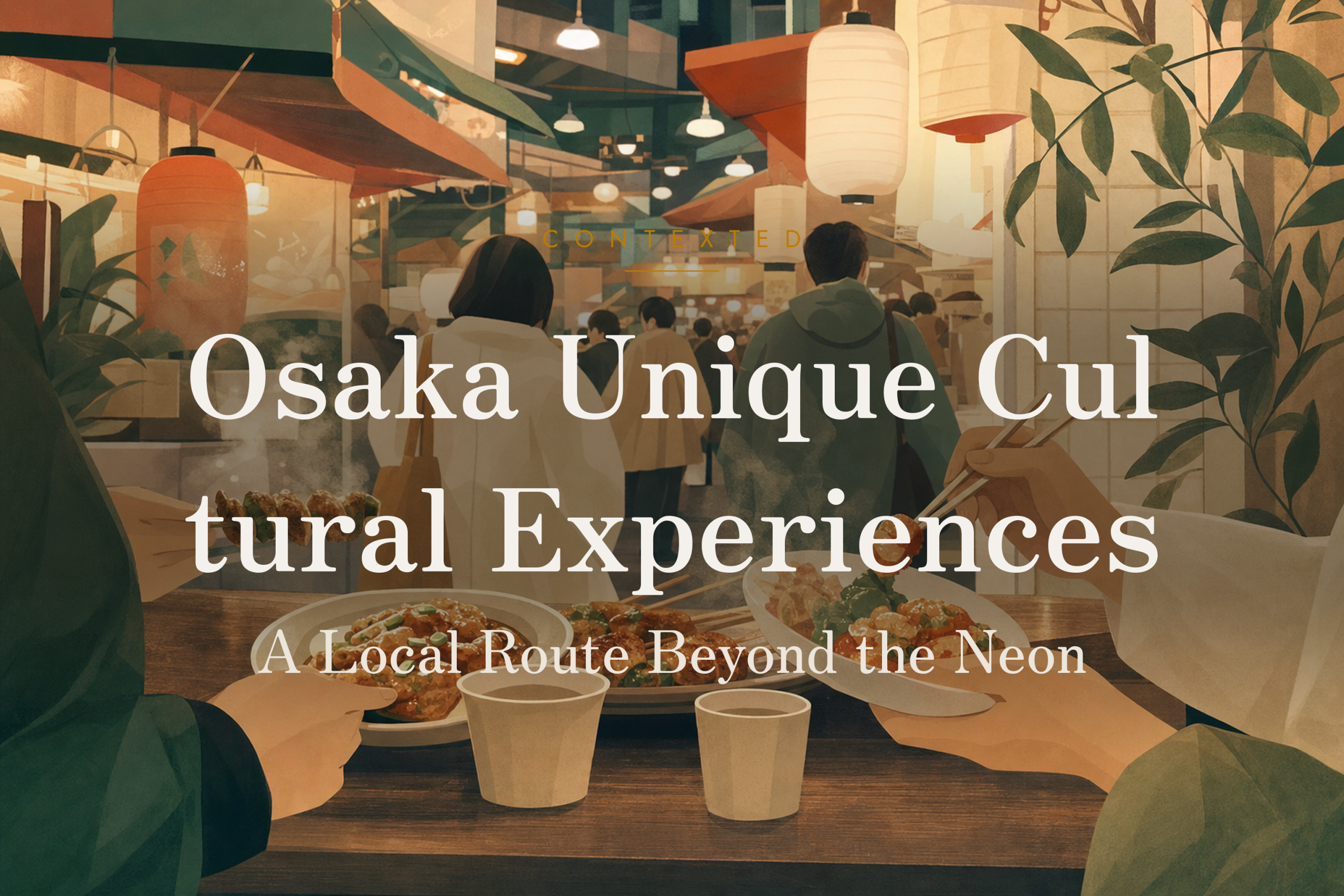
For Osaka unique cultural experiences, skip trying to collect every famous photo spot. A better day combines one tradition you can sit with—rakugo or a temple—with everyday Osaka: kimchi stalls in Tsuruhashi, a long shopping arcade, and dinner near where you stay. It is warmer, less rushed, and works well for families and groups.
Which Osaka cultural experiences feel genuinely local?
Osaka’s living arts and everyday religious places often feel more local than large attraction-style activities. You hear the city’s humour, see old neighbourhood routines, and still have time to eat.
Hear Osaka’s humour at a rakugo performance
For a Kansai evening, check the programme at Temma Tenjin Hanjo Tei, a short walk from Osaka Metro Minami-morimachi Station and JR Osaka-Tenmangu Station.
Rakugo is one storyteller using a fan and small cloth to create a whole cast from everyday mishaps. Even if you miss Japanese dialogue, the voices, laughter and comic timing carry through.
Programmes and ticket prices vary; roughly ¥3,000 is a useful starting point for many regular shows, but check the official schedule before planning around it.
Most performances are primarily in Japanese, so I would not treat this as an English-language show. Go if your group is happy to enjoy the atmosphere without translating every punchline.
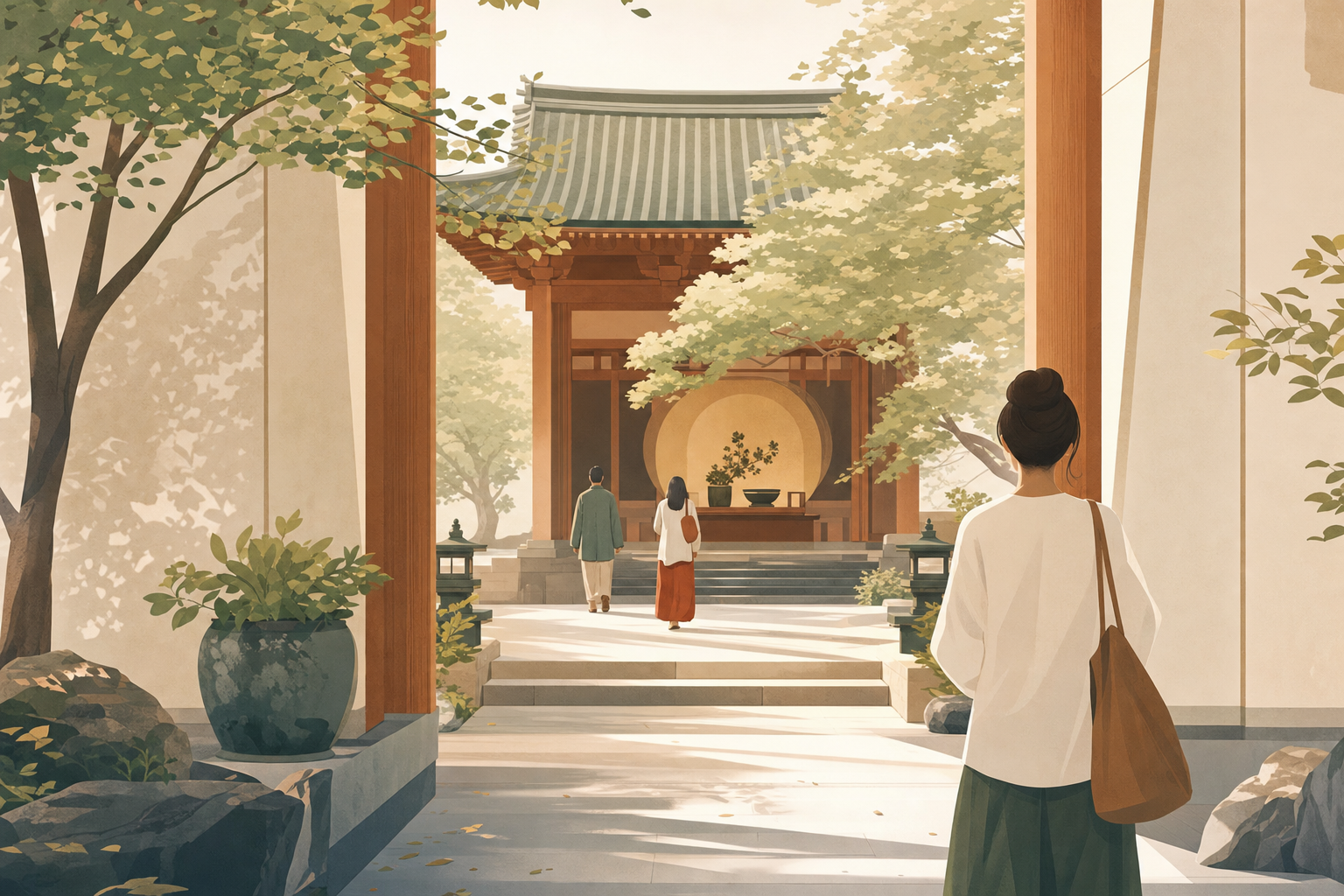
Start with Shitennoji when you want history without the rush
Shitennoji is a practical historic stop from Tennoji: about a 15-minute walk from JR/Osaka Metro Tennoji, or closer from Shitennoji-mae Yuhigaoka Station on the Tanimachi Line.
The precinct offers space to slow down, with incense, gravel paths, school groups and local worshippers.
Outer grounds are generally free; the inner precinct, garden and treasure areas have separate modest admission fees that can change.
On the 21st and 22nd of each month, the grounds host a large flea market with ceramics, old textiles and household objects. It is worth timing if you enjoy browsing, but less suitable for a tightly scheduled tour.
Wear shoes suitable for several hours of walking.
Can you experience Osaka culture through food without booking a formal class?
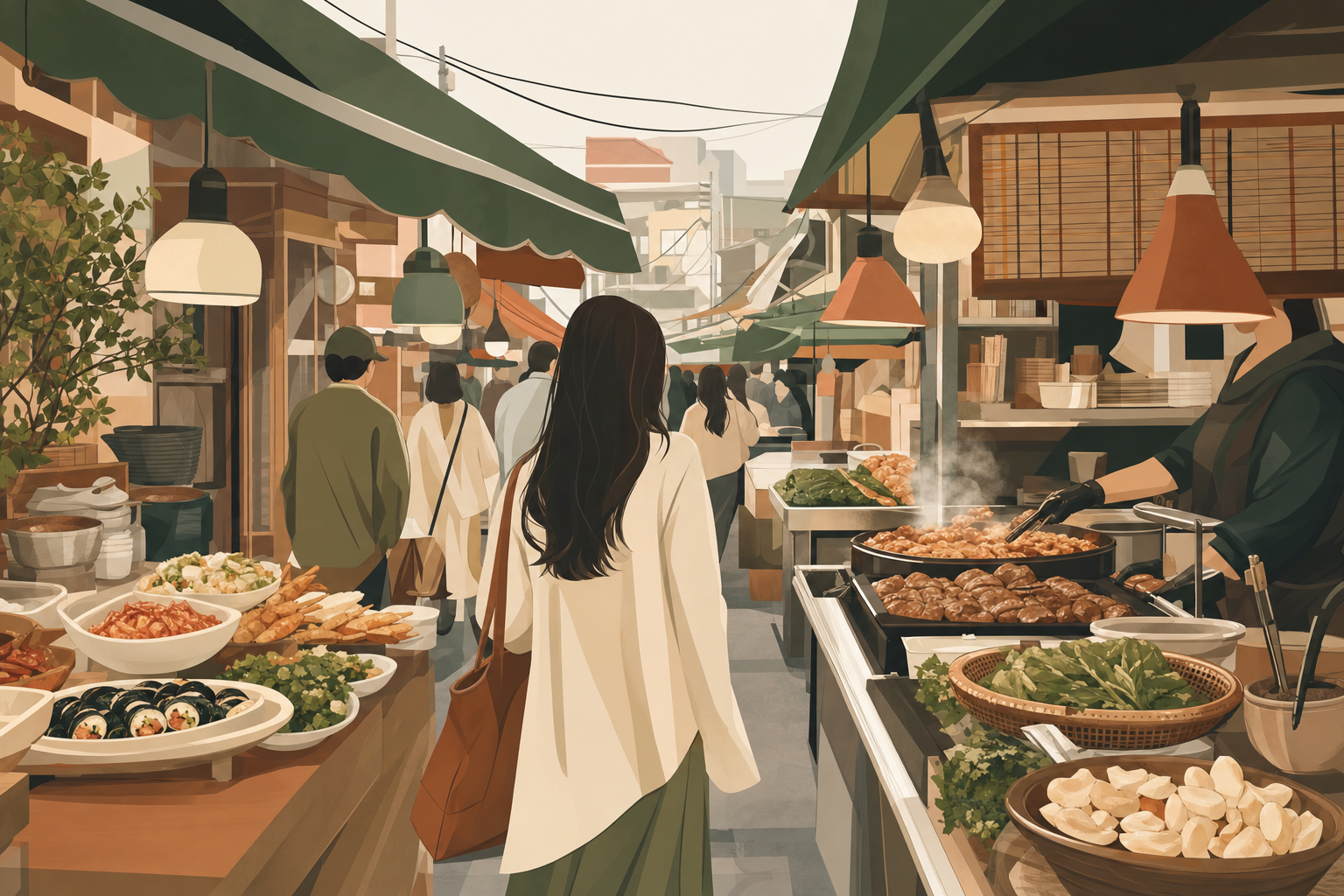
Yes—Tsuruhashi and Tenjinbashisuji offer food culture at a local pace, with more flexibility than a fixed workshop. This works especially well when ages, appetites and energy levels differ.
Follow the scent through Tsuruhashi and Osaka Korea Town
At Tsuruhashi, grilling yakiniku is often noticeable as soon as you leave the station.
JR Tsuruhashi is on the Osaka Loop Line and connects with Kintetsu lines and Osaka Metro’s Sennichimae Line, making it easy from Namba or Tennoji.
Its covered lanes are tight and busy, full of kimchi, Korean seaweed, sweets, butcher counters and barbecue restaurants.
For the wider Osaka Korea Town area around Momodani, allow roughly 15–20 minutes on foot from Tsuruhashi, depending on where you start.
Browse in late morning or early afternoon; popular yakiniku restaurants can fill up around 6–8pm.
Snacks may cost several hundred yen each, while a seated yakiniku meal often starts around ¥2,000–¥4,000 per person before drinks, depending on your order.
Do not try to eat at every stall. Pick one savoury item and one sweet item, then sit down properly later.
Walk the long everyday Osaka route at Tenjinbashisuji
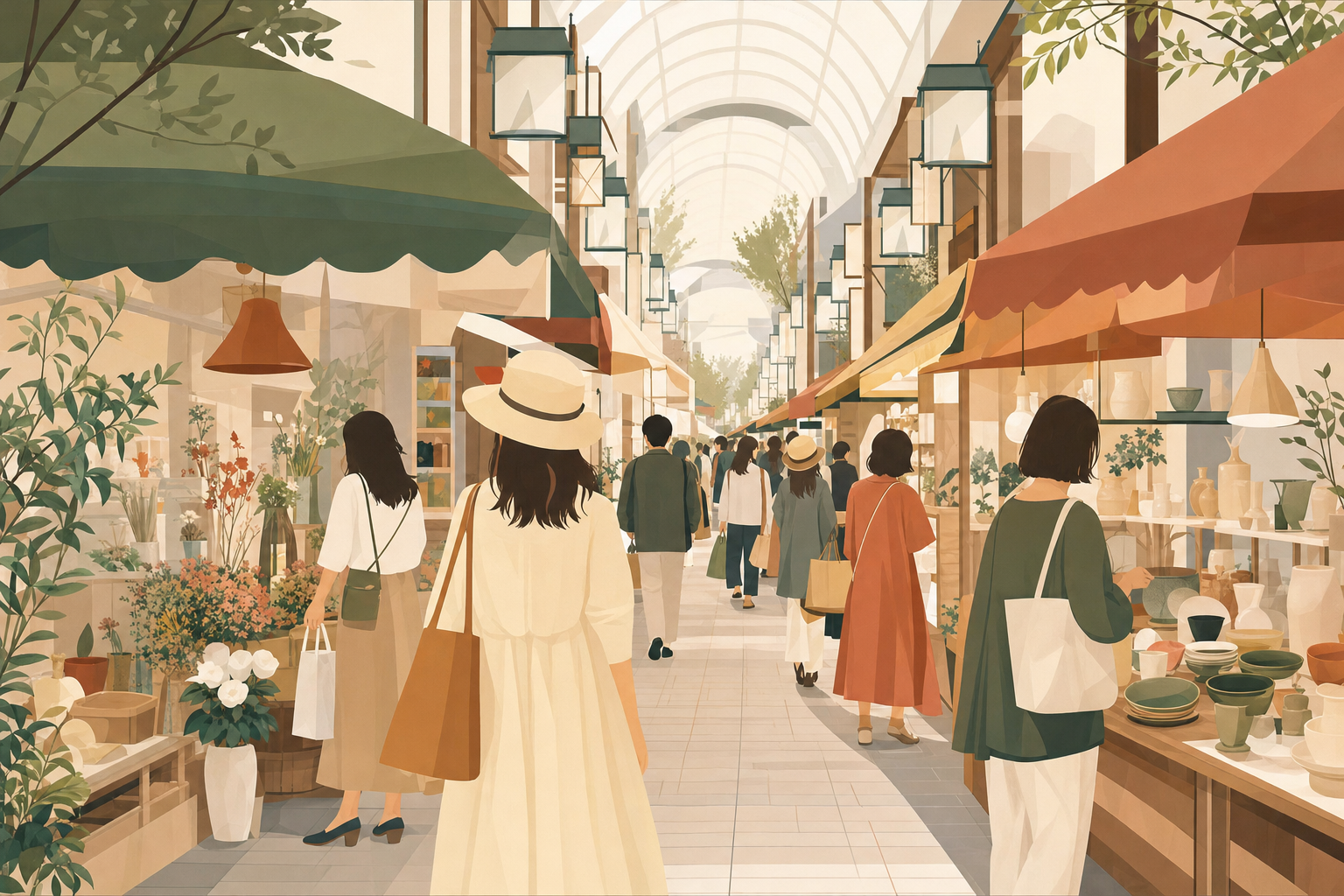
Tenjinbashisuji Shopping Street is where I send travellers who want daily Osaka rather than a polished entertainment district.
6 kilometres, with entry points around Tenjinbashisuji 6-chome Station, Minami-morimachi Station and JR Temma Station. You pass fish shops, inexpensive lunch counters, tea shops, clothing stores and older cafés.
Pair it with the Osaka Museum of Housing and Living near Tenjinbashisuji 6-chome. Its recreated historical streets are a useful visual companion to the real arcade outside.
Adult admission has been around ¥600, though hours, closures and fees should be checked before travel. Allow 60–90 minutes for the museum and another two hours to walk and eat.
For a warm, multi-generation day, this area is easier to explore at your own pace than Dotonbori.
How can you build one cultural day without spending it on trains?
Keep to Osaka’s south-to-central rail spine: Shitennoji, Tsuruhashi, then Temma.
From Tennoji, Tsuruhashi is only a few minutes on the JR Osaka Loop Line; onward travel to Temma/Minami-morimachi is commonly around 20–30 minutes with a change or walk, depending on the route.
You do not need to stay beside every sight.
A relaxed route from temple morning to comic evening
Start early, eat deliberately and leave one unscheduled hour for coffee, a child’s rest, or a food stall that looks too good to ignore.
Morning at Shitennoji
Arrive around 9:00–10:00, walk the grounds, then take a short rail or taxi ride toward Tsuruhashi before lunch queues build.
Lunch and browsing in Tsuruhashi
Share a few market snacks, then choose one seated yakiniku or Korean meal; allow 90 minutes rather than racing through the lanes.
Temma or Minami-morimachi after 15:00
Walk Tenjinbashisuji, visit the housing museum if open, and finish with a booked rakugo performance if the schedule fits.
If rakugo is not running, end with an unhurried dinner around Temma. The narrow streets become more animated after work, with grill smoke and conversation from small storefronts. That is still a cultural evening.
Small cautions that save a lot of friction
Temple visits are calmest in the morning, Tsuruhashi is easier before the dinner surge, and small theatres do not have hotel-lobby levels of English support.
- Check rakugo dates and language details before committing to the route; programmes change.
- Carry some cash for markets, snacks and flea-market purchases, while keeping a card for larger meals.
- Avoid eating while blocking narrow market lanes; step aside, especially around Tsuruhashi’s busy counters.
- For a group of six or more, reserve dinner or divide into two nearby tables rather than assuming walk-in seating.
Where should you stay for Osaka cultural experiences as a group?
Choose your base by the evening and morning you want, not only proximity to Dotonbori.
A central hotel is straightforward for a one- or two-night first visit, while families and multi-generation groups may value a common room more than saving five minutes on a train ride.
Five practical bases for a culture-led Osaka stay
Namba hotels
Near Namba Station and Dotonbori, useful for late-night food and first-time sightseeing. It suits couples or short stays; expect crowds and bright noise after dark.
Tennoji and Abeno
JR/Osaka Metro Tennoji gives quick access to Shitennoji, Shinsekai and the Loop Line. A practical choice for families combining temples, parks and city views.
Tsuruhashi neighbourhood stays
Close to JR, Kintetsu and the Sennichimae Line, and suited to travellers who want Korean food streets on their doorstep. The market lanes are compact and lively.
Temma or Minami-morimachi stays
Good for Tenjinbashisuji, local bars and Temma Tenjin Hanjo Tei. This works well for adults who prefer an evening neighbourhood over tourist-centre crowds.
CONTEXTED 大阪
A whole-house stay in the Teradacho/Tsuruhashi area for up to 23 guests, suited to families, groups and multi-generation travel that want to gather under one roof after exploring.
For current dates and group pricing, you can [Check availability & rates] before fixing the route.
“Isn’t a hotel easier?” It depends on your group size
For two people with a packed sightseeing list, often yes: a hotel near the station is simple.
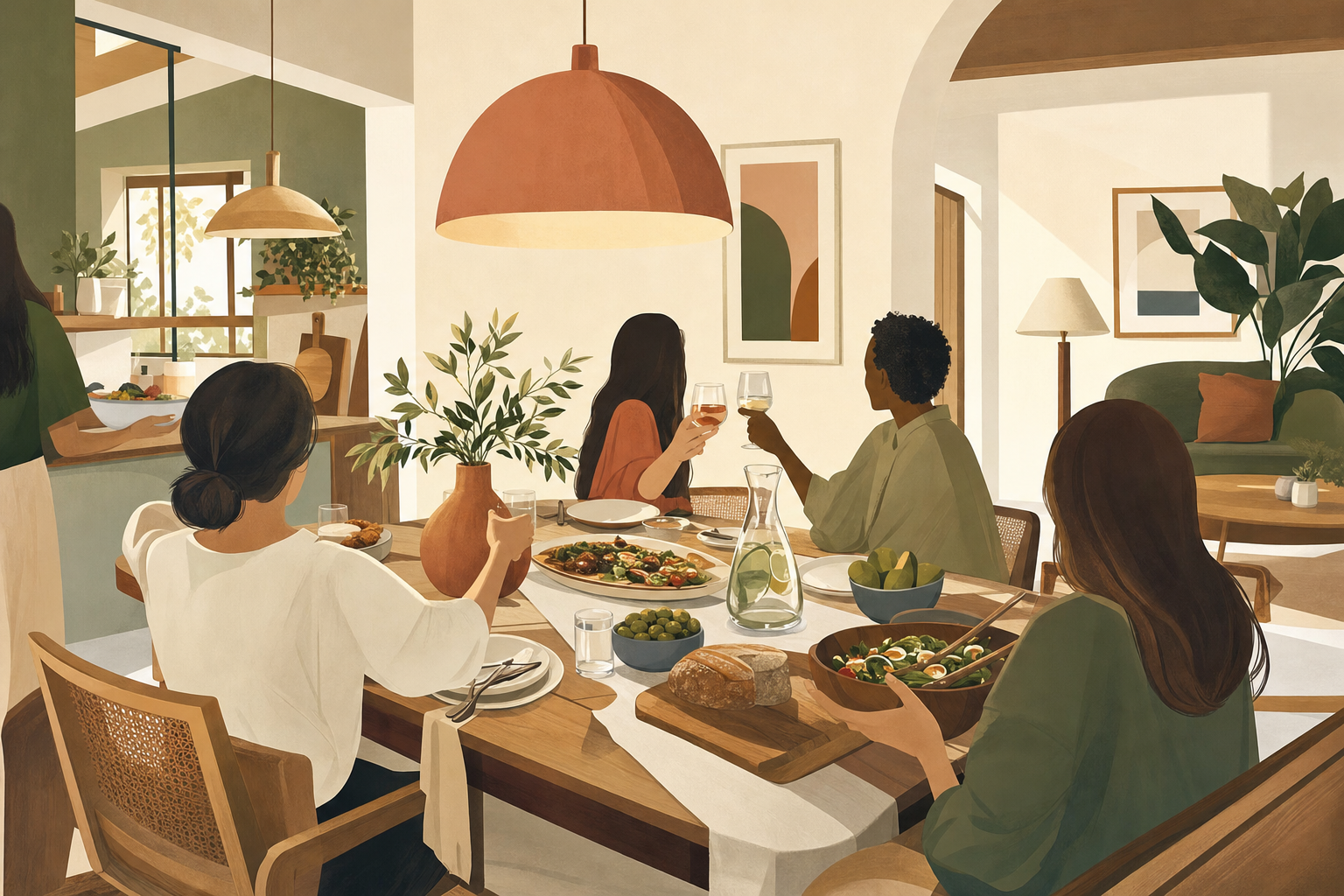
For eight relatives, three families or friends travelling together, multiple rooms can mean split breakfast plans, lost children and nowhere to compare market purchases at night.
My local view is that Osaka’s short travel times change the calculation.
From Teradacho/Tsuruhashi, you can reach Tennoji in roughly a few minutes on the JR Osaka Loop Line and travel toward Namba or central Osaka without treating your room as only a place to sleep.
After Tsuruhashi’s charcoal-grill smell and a crowded arcade, a shared base can be the quieter part of the experience. Confirm amenities, capacity and rates for your dates.
FAQ
Practical answers before you go
** A: Pair Shitennoji or its monthly temple market with rakugo, then explore Tsuruhashi or Tenjinbashisuji for everyday food and shopping culture.
** A: It can be enjoyable for the style and audience atmosphere, but most shows are in Japanese. Check language support and go only if your group is comfortable missing story details.
** A: A temple visit may be free or low-cost, museum entry is often several hundred yen, rakugo is roughly ¥3,000 or more, and food ranges from ¥1,000 in snacks to ¥2,000–¥4,000 or more for dinner.
** A: Tennoji is straightforward for parks, lifts and major stations; Teradacho/Tsuruhashi works well for groups wanting a shared base and easy access to local food streets.
Pick one anchor experience, then let meals and streets fill in the day. Osaka is better when you leave time to sit down together instead of treating every stop as a checkpoint.
If your group needs room to gather after the route, check the current layout, capacity and dates before committing to transport plans.
RESERVATION
A whole-house stay in Osaka for your group
Walkable to Tsuruhashi, Tennoji, Shinsekai, Dotonbori and Kuromon Market. Sleeps up to 23 — perfect for families and groups to book the entire house. Check availability and rates on the booking site.
Please confirm current rates, availability and amenities on the booking site.
Related articles