A Complete Guide to the Appeal of Staying in a Kominka.What Hotels Can’t Offer: Price Range, Things to Watch Out For, How to Choose, and More
Even if you are interested in staying in a kominka, many people may still wonder, “How is it different from a hotel or ryokan?” “Will it actually be inconvenient to stay in one?” or “Is it expensive?”
A kominka stay offers the calm atmosphere unique to traditional Japanese houses and the freedom that comes with renting an entire house, while also being a style of accommodation where it is important to understand how to choose the right place and what to watch out for.
In this article, we clearly organize and explain the appeal of staying in a kominka, the general price range, the benefits, and the points you should check before making a reservation, so that even first-time guests can understand it easily.
What Is a “Kominka” in the First Place?
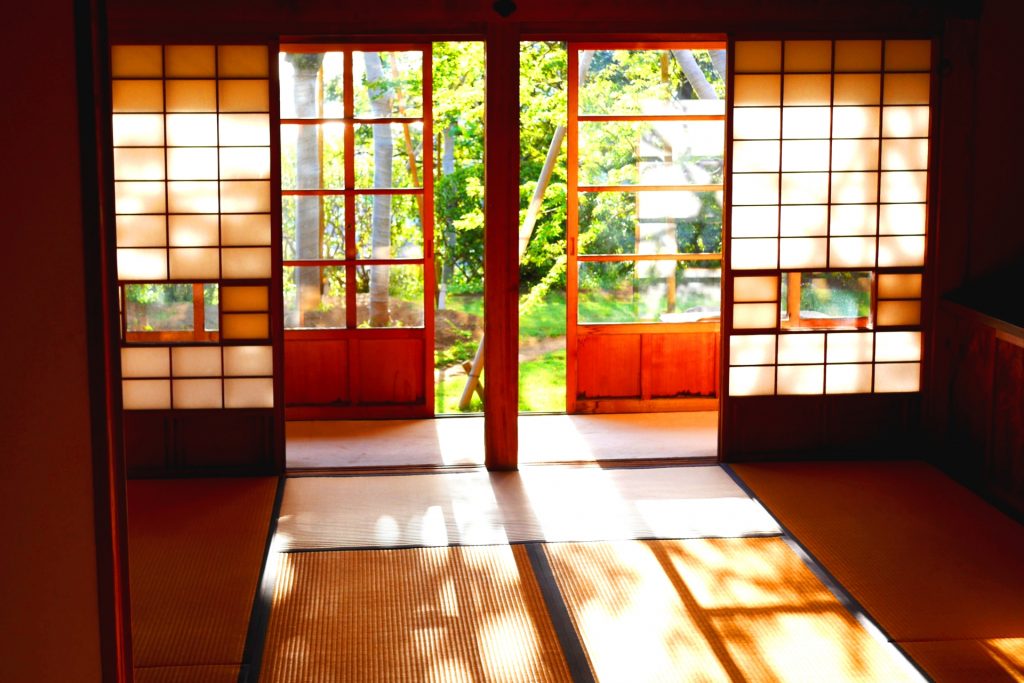
A kominka generally refers to a traditional Japanese house that is over 50 years old, characterized by architecture that makes use of natural materials such as wood, earthen walls, and tiled roofs.
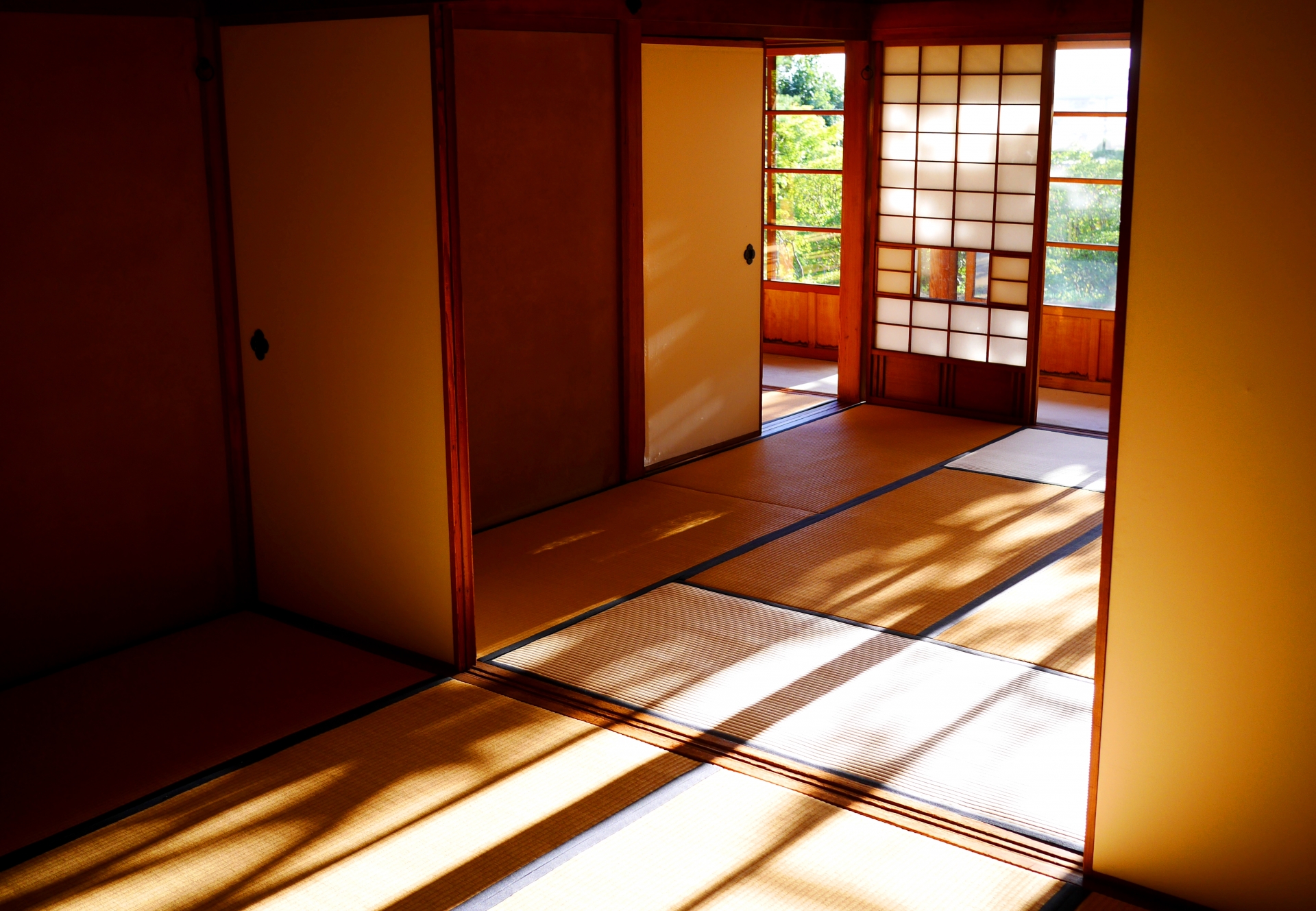
These homes often incorporate features suited to Japan’s climate and way of life, such as thick beams and pillars, tatami rooms, and engawa verandas.
Because they were designed with ventilation and natural light in mind, they also offer a sense of openness that differs from modern homes.
Kominka are also attracting attention as part of efforts to preserve historic buildings while adding new value, and they are being reevaluated as places where people can experience Japanese culture.
The Appeal of Staying in a Kominka
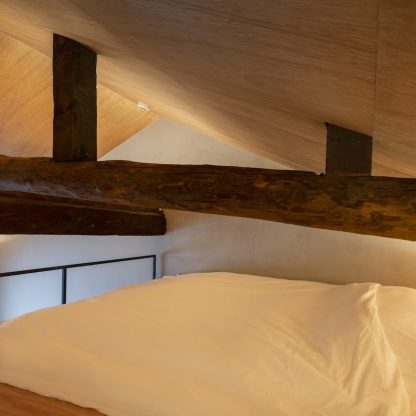
Kominka have a unique sense of calm, with ceilings where wooden beams and pillars are visible, the scent of tatami, and soft light filtering through shoji screens.
Spaces made with many natural materials have a warmth that differs from modern hotels, creating an environment where it is easy to spend time at a relaxed pace.
In addition, many kominka accommodations are located within local residential areas or shopping streets, allowing guests to experience the everyday atmosphere of the town rather than just its tourist spots.
Another major feature is that, through your stay, you can feel close to the culture and daily life of the area.
What makes staying in a kominka so appealing is that the experience is not limited to sightseeing alone—you can also enjoy the time you spend in that place itself.
Why Kominka Stays Are Popular
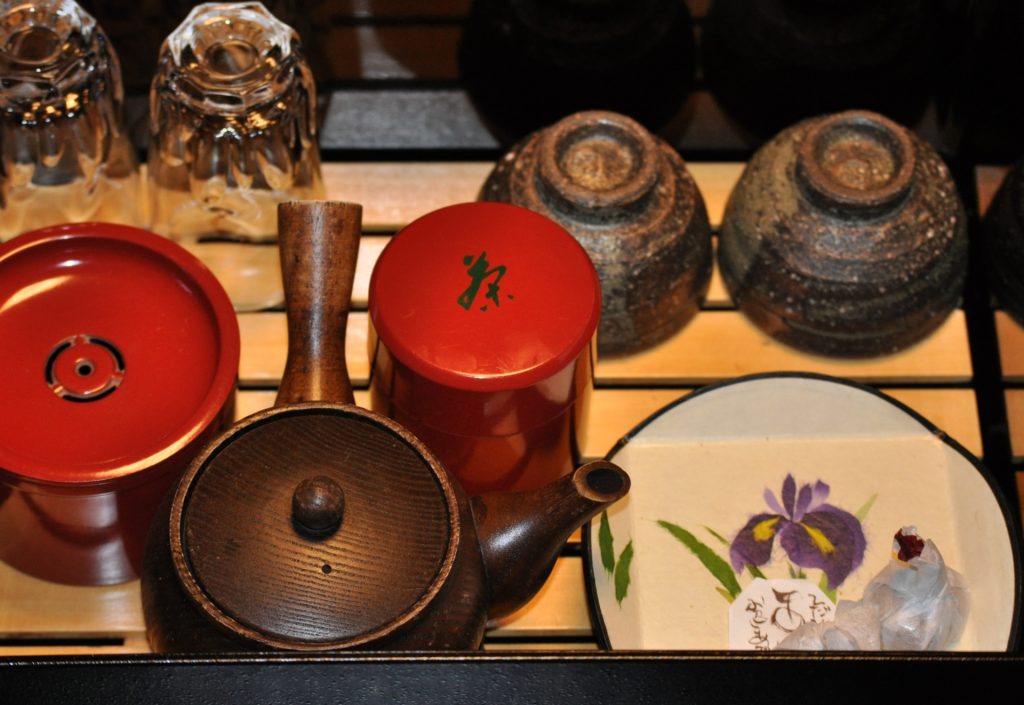
More and more people are looking not only for efficient trips that take them around tourist spots, but also for journeys where the time spent at the accommodation itself becomes part of the travel experience.
Unlike hotels and ryokan, kominka lodgings have stories embedded in the space itself, and the experiences during your stay are more likely to leave a lasting impression.
Here, we will introduce in more detail why kominka stays are so popular, including the atmosphere of the buildings and their closeness to local communities.
Experience Traditional Japanese Living
One of the defining features of a kominka stay is the ability to experience traditional Japanese ways of living, such as relaxing in a tatami room or looking out at the garden from the engawa.
The quiet spaces unique to wooden architecture have a charm that is not often seen in modern homes.
In addition, elements such as exposed beams and rooms with shoji screens make the building itself something that evokes Japanese culture.
Spending time in this kind of environment makes it easier to enjoy a pace of life different from the rush of everyday life.
This is one of the major attractions of kominka lodgings: they are chosen not only as places to stay, but also as a way to experience Japanese living culture.
Enjoy a Private Stay in a Whole-House Rental
Many kominka lodgings are available as whole-house rentals, allowing one group to use the entire building.
As a result, there are fewer shared spaces with other guests, making it easier to relax without worrying about people around you.
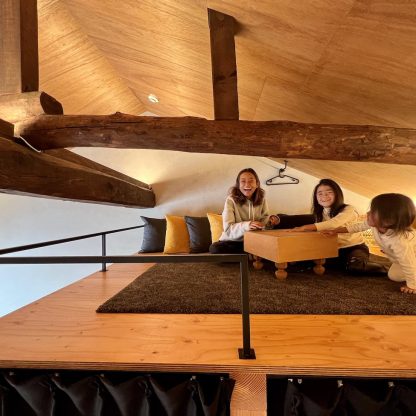
Many properties also have spacious living rooms and tatami rooms, so even on family trips or trips with friends, everyone can stay together comfortably in the same space.
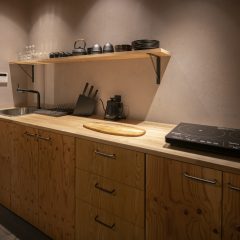
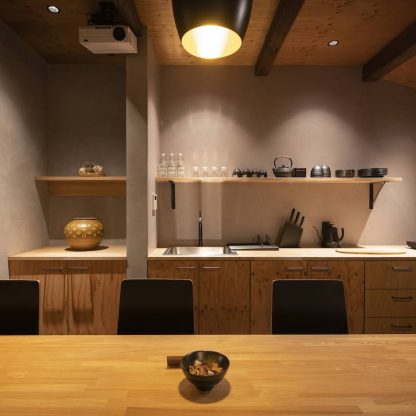
If the accommodation includes a kitchen, you can also enjoy preparing simple meals or breakfast.
Because it feels a bit like using a private villa, this style of stay is well suited to people who value private time.
The Price Range for Staying in a Kominka
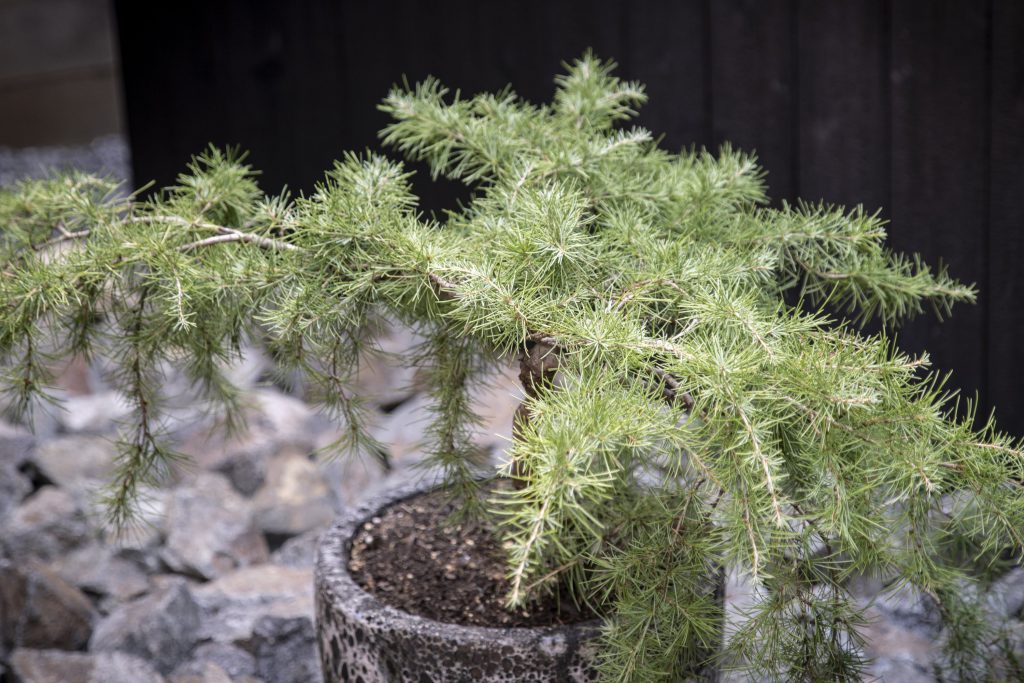
The accommodation cost of a kominka varies depending on the size of the building, its location, and the facilities it offers.
Like ordinary hotels, some properties may set rates per person, but many kominka lodgings are rented as an entire building, and the rate is often set per night for the whole property.
The more people who stay, the lower the burden per person may become, so it can be a good idea to choose while considering the balance between group size and total cost.
Accommodation Rates for Whole-House Kominka Rentals
In a whole-house rental format, one group can use the entire building, so the accommodation fee is generally set as the total amount per night.
The general price range is often around 30,000 to 100,000 yen, although this varies depending on the size, facilities, and location.
For example, if four to six people stay together, the accommodation cost per person may range from several thousand yen to somewhere in the 10,000-yen range.
Because it becomes easier to split the cost as the group size increases, this style of accommodation is especially convenient for family trips and group travel.
Price Differences Compared with Hotels and Ryokan
In ordinary hotels and ryokan, accommodation rates are often set per person. Business hotels may cost around 5,000 to 10,000 yen per night, while ryokan in tourist areas may cost more than 10,000 yen.
Kominka lodgings, on the other hand, are mainly rented as entire buildings, so the cost per person varies depending on the number of guests.
They may feel expensive for small groups, but when used by several people, there are many cases where the cost per person is similar to—or even lower than—that of a hotel.
Furthermore, when you consider that you can use a large space freely and share a kitchen or living room, a kominka stay can be a highly cost-effective option depending on your preferred style of travel.
The Benefits of Staying in a Kominka
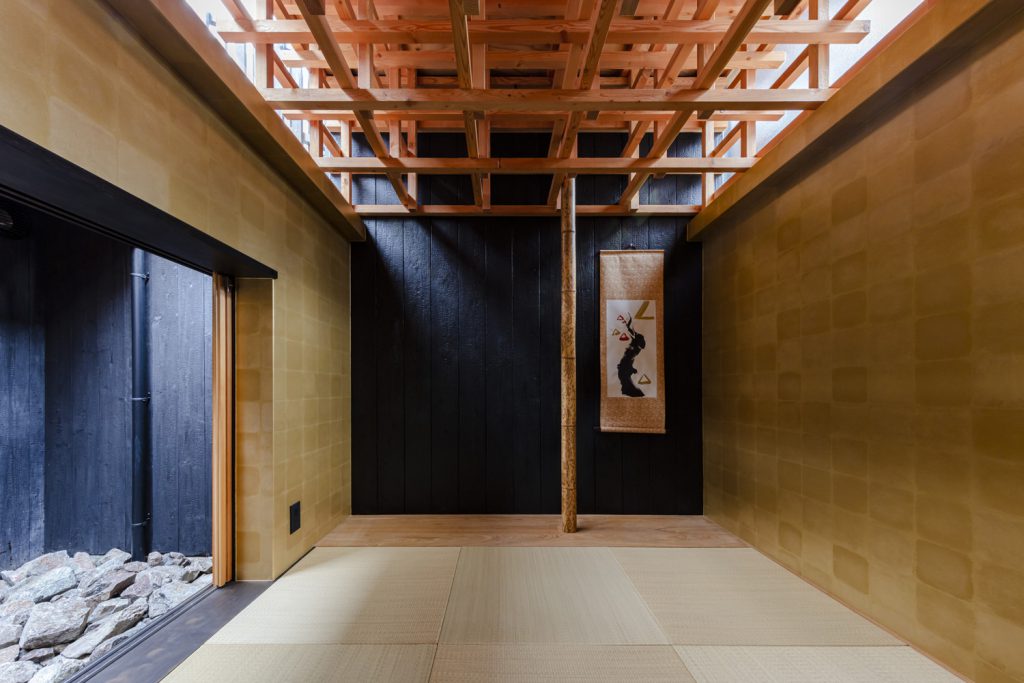
The appeal of a kominka is not limited to the atmosphere of the building itself.
There are also many practical advantages you feel during the actual stay, such as spaciousness, freedom in how you spend your time, and an environment where you do not have to worry as much about others.
Especially on family trips or group trips, being able to relax in the same shared space often leads to greater satisfaction.
For people who want to value their accommodation not just as a place to sleep, but as a place to spend meaningful time, a kominka is a very compatible option, so please consider these benefits as well.
Relax in a Calm and Comfortable Space
The warm atmosphere unique to wooden architecture makes it easier to feel a sense of calm that is different from that of a modern hotel.
Many properties retain features seen in traditional Japanese homes, such as thick beams and pillars, tatami rooms, and engawa facing the garden, creating a setting where it is easy to spend quiet time.
In this kind of space, it is easier to rest your body even after a day of walking around sightseeing, and you can feel as though you have stepped away from the busyness of daily life.
Many kominka are also located in residential neighborhoods or quiet streets, which makes it easier to spend peaceful evenings.
Being able to relax almost as if you were at home, even while traveling, is one of the great strengths of staying in a kominka.
Suitable for Larger Groups
Because kominka were originally built as homes for families, they often have spacious layouts.
Properties with multiple tatami rooms and large living rooms are especially suitable for accommodating larger groups, such as family trips or groups of friends.
Since you can freely use the space—having meals in the living room or relaxing in the tatami rooms—conversations also tend to happen more naturally.
Because it is easier to divide the cost of a whole-house rental among more people, this is another reason why kominka are a good match for group travel.
What You Can Do at a Kominka
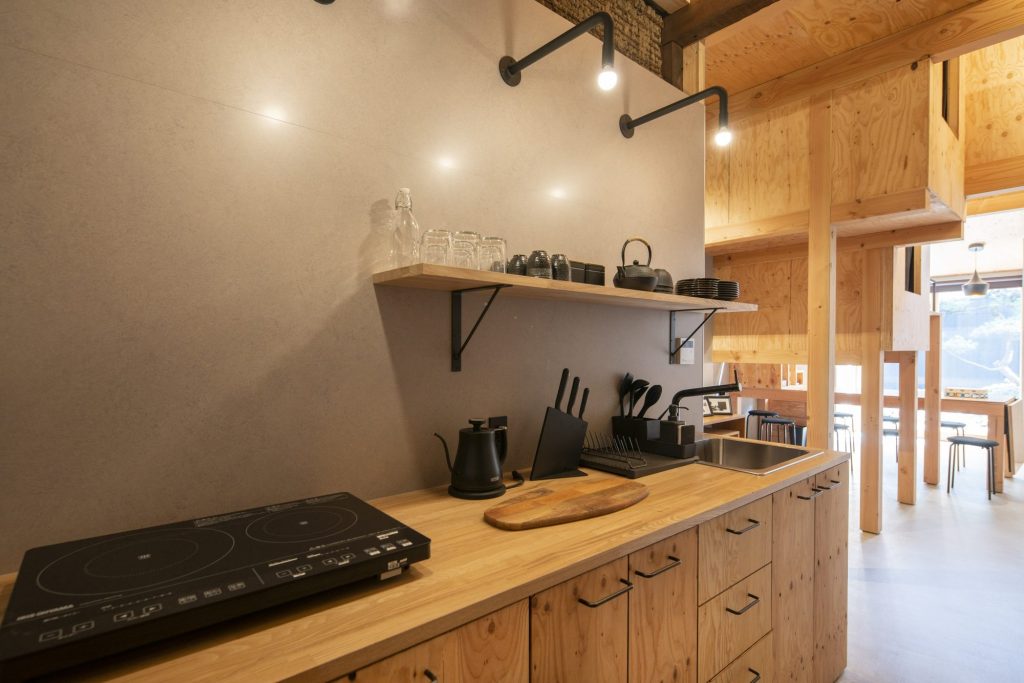
The charm of a kominka stay lies not only in staying there, but also in being able to enjoy how you spend your time there.
At hotels, sightseeing and dining out often become the main focus, but at a kominka, there is a wider range of ways to enjoy your time inside the accommodation itself.
Let’s think together about the kinds of things you can do during a kominka stay.
Enjoy Meals and Self-Catering
If you choose a kominka with a kitchen, your dining options expand greatly.
You do not have to be tied to restaurant reservations—simply arranging side dishes bought from a nearby supermarket or shopping street can create a meal that feels special and local.
Self-catering does not have to mean elaborate cooking; even just being able to prepare breakfast or a light late-night snack is convenient.
On a group trip, the time spent choosing ingredients together or bringing drinks to share can also become a fun memory in itself.
It is also attractive because it makes it easier to manage food expenses, and in some cases it can be more budget-friendly than a trip centered on dining out.
Feel Local Life Through Walking Around the Neighborhood
Kominka lodgings are often located near residential areas or shopping streets rather than in the middle of major tourist zones, making them especially well suited to town walking.
Just taking a short walk after check-in may lead you to discover local bakeries, prepared-food shops, or old-fashioned cafés.
These places may not be prominently featured in travel guides, but they often become memorable parts of the trip.
Being able to take a walk while feeling the quiet of the night or the freshness of the morning air is also one of the unique pleasures of staying in a kominka.
Adding a little “time for local life” to a trip centered on sightseeing is part of what makes a kominka stay so appealing.
Things to Keep in Mind When Staying in a Kominka
The atmosphere of a kominka is one of its main attractions, but comfort can also be strongly affected by the season.
In recent years, more and more kominka have been renovated and updated with improved facilities, but due to the nature of the building structure, they may not offer the same insulation or airtightness as a hotel.
To stay comfortably, it is important to check the property’s facilities in advance and prepare on the assumption that you may need some extra measures.
Staying Warm in Winter
Kominka can let in cold air through the floor and windows, so even indoors you may feel chilly.
Even if heating is provided, the effectiveness may vary depending on the room, so it can help to decide where you will spend most of your time and focus on keeping that area warm.
Typical useful items for cold-weather comfort include thick socks, indoor slippers, and an extra layer you can wear easily.
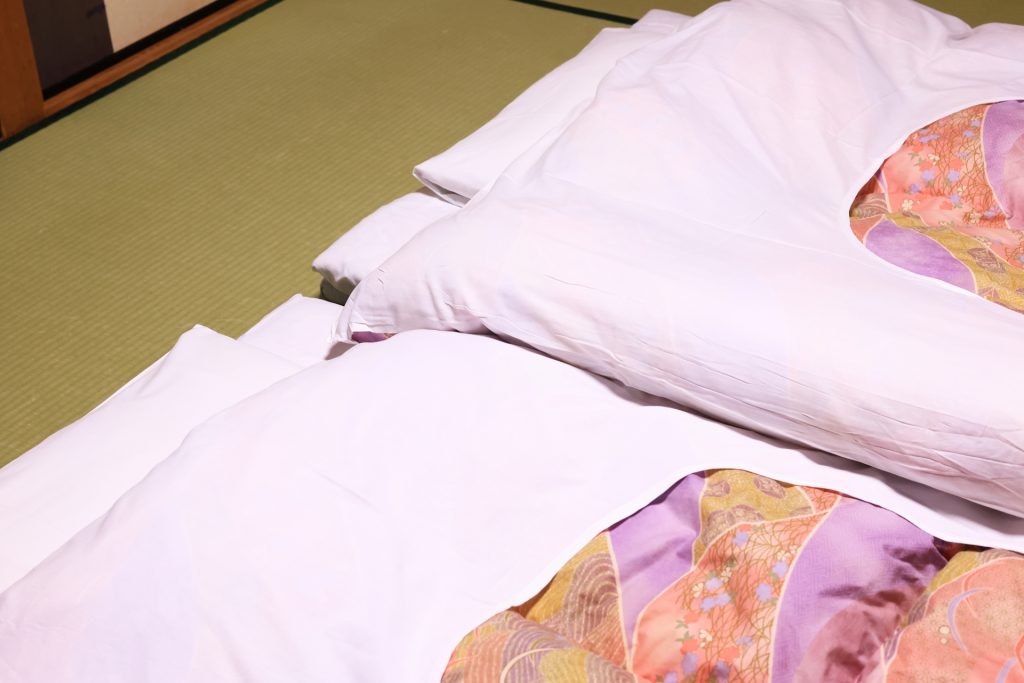
At bedtime, the thickness of the futon and whether blankets are provided also directly affect comfort.
In terms of facilities, it is a good idea to check in advance whether the property has not only air conditioning, but also a kotatsu, a stove, or floor heating.
Dealing with Insects in Summer
In kominka made with natural materials or those with gardens, insects may appear more easily depending on the season.
Even in properties located in residential areas, opening the windows at night may allow insects to come inside, so it is reassuring to check whether the screens are in good condition and whether insect repellent is provided.
If you are not comfortable with insects, bringing insect repellent spray or portable insect-repellent items can help reduce stress during your stay.
In addition, nighttime lights tend to attract insects, so simple actions such as opening and closing the entrance quickly and not leaving windows open for long can also be effective.
It is also recommended to check whether fans or air conditioning are available as part of summer comfort measures.
How to Choose a Kominka Accommodation
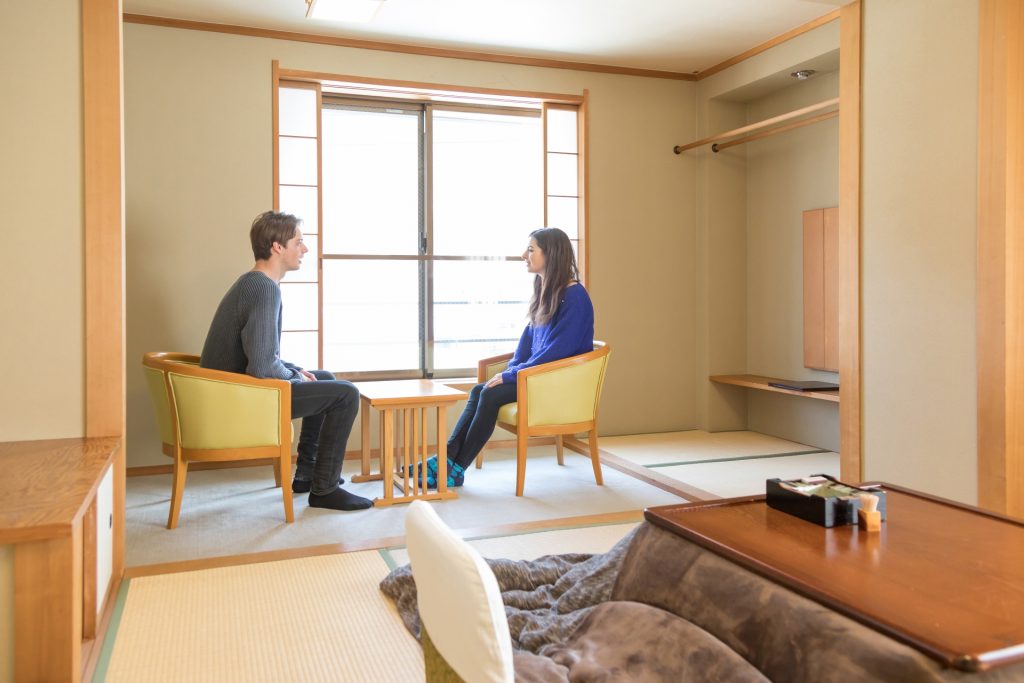
To increase satisfaction, it is important not to decide based only on the atmosphere of the kominka.
Even within the same category of “kominka lodging,” there can be major differences in location, the extent of renovation, the facilities provided, and overall comfort.
The conditions you should prioritize will also vary depending on whether your trip is centered on sightseeing or on spending relaxing time at the accommodation itself.
Here, we introduce some tips for choosing a kominka when you are unsure.
Ease of Access
Ease of transportation is directly connected to how comfortable your trip will be.
Whether the property can be reached on foot from the station, requires bus travel, or is in an area where it is easy to call a taxi can make a big difference in how much effort is needed after arrival.
This is especially important for trips with a lot of luggage or with children, where the distance from the nearest station and how easy the route is to follow matter greatly.
If you plan to do a lot of sightseeing, it is also helpful to check access to major areas in advance.
If you are traveling by car, it is reassuring to check not only whether there is parking, but also the situation with nearby coin parking lots.
Facilities and Comfort
Kominka lodging has the charm of “enjoying oldness,” but at the same time, checking facilities for comfort is essential.
First, confirm whether air conditioning is available. Depending on the type of heating and cooling and where it is installed, there may be noticeable temperature differences from room to room.
The next important point is the bathroom and wash area. The more people in your group, the more it matters whether there are multiple bathrooms or toilets and whether there are enough sinks.
If the property has a kitchen, checking whether cooking utensils and tableware are provided, as well as the size of the refrigerator, can help prevent inconvenience after arrival.
Whether Wi-Fi is available and how strong the connection is are also important factors affecting comfort during your stay, so these are points you should check in advance.
Things to Check Before Booking a Kominka
Even within the same category of “kominka,” these accommodations can vary greatly in terms of facilities, operating rules, and surrounding environments.
Before booking, it is important to confirm not only the location and facilities, but also how the property is managed.
In particular, cancellation policies, consideration for neighbors, and how to read reviews are points that strongly affect satisfaction.
Understanding these in advance can help reduce unnecessary stress during your stay.
Cancellation Policy
Because many kominka are whole-house rentals and the number of available booking slots is limited, cancellation policies may be set rather strictly.
A high cancellation fee may apply if you cancel shortly before your stay, so this is something you should definitely check before making a reservation.
This is particularly important for family or group travel, where illness or schedule changes are more likely, and overlooking the terms can lead to a bigger burden.
At the very least, it is reassuring to check the deadline for free cancellation, when cancellation fees begin to apply, and the conditions for refunds.
It can also help reduce anxiety if you confirm how the property handles situations where you cannot go due to weather or transportation issues.
Neighborhood Rules and Noise
Many kominka lodgings are located in residential areas or shopping streets, which means they are often closer to neighbors than hotels are.
For that reason, each property may have detailed rules regarding nighttime noise, conversations outdoors, garbage disposal, and similar matters.
Because group trips tend to be lively, there may be more situations where you need to be careful about volume.
If the property lists things such as lights-out times, whether talking with the windows open is allowed, or rules about playing music, checking these before booking can help you avoid trouble.
Check Photos and Reviews Carefully
The atmosphere of a kominka is one of its strongest appeals, but because the impression can change greatly depending on how the photos are taken, it is important to interpret the information carefully.
For indoor photos, it is less risky if you focus on points that show how easy the place will actually be to stay in, such as the size of the space, the number of bedrooms, the condition of the bathroom and wash area, the number of steps, and the brightness of the lighting.
If there is little written information about the facilities, the number of photos and how much of the space is shown can also be useful clues, so it is worth checking.
When reading reviews, it is important to look not only at the star rating, but at how specific the content is.
Comments such as “It was cold,” “There were insects,” or “Noise was noticeable” can make it easier to understand tendencies related to the season or the location.
Who Is a Kominka Stay Recommended For?
Kominka often have generous shared spaces such as living rooms, tatami rooms, and gardens, making it easy to enjoy a stay with a high degree of freedom—whether that means talking together or simply relaxing at your own pace.
If it is a whole-house rental, it is also well suited to people who want to spend time without worrying about others around them.
Let’s take a closer look at exactly what kinds of travelers a kominka stay is recommended for.
People Who Want to Relax on a Family Trip
On a family trip, satisfaction often depends on whether there is a calm place to unwind after moving around and sightseeing.
Kominka accommodations are appealing because they make it easy to spend time almost as if you were at home—you can lie down in a tatami room, and children can play in a spacious living room.
In particular, with a whole-house rental, families with small children may feel less burden because they do not have to be overly concerned about disturbing other guests.
If the property has a kitchen, it is also convenient for preparing a simple breakfast or adjusting meals for children.
It is a good choice for families who want to enjoy travel at a comfortable, unhurried pace.
People Who Want to Stay in a Group or with a Large Number of Guests
When traveling with friends or with multiple households, whether everyone can spend time together in the same space has a direct impact on how enjoyable the trip feels.
Kominka accommodations often have multiple rooms and wide shared areas, making it easy to gather in the living room, chat together, and share meals.
In a hotel, having separate rooms can make it more troublesome to gather, but in a whole-house rental, opportunities for interaction arise naturally.
In terms of cost as well, because the accommodation fee can be divided among more people, it may be easier to keep the cost per person down.
This style of stay is especially well suited to groups who want to value not only the destination, but also the overall atmosphere of the stay itself, such as for birthday trips, girls’ trips, or graduation trips.
Frequently Asked Questions About Staying in a Kominka
Compared with hotels, kominka accommodations vary more in facilities and operating rules, so many people feel some uncertainty before booking.
In particular, it is reassuring to check in advance about safety for children, measures against insects and cold weather, and the flow of check-in and check-out.
Here, we summarize some frequently asked questions about kominka stays.
Can You Stay in a Kominka with Children?
In many cases, it is possible to stay with children, but there are also points of caution that are unique to kominka.
Some properties still have features such as many steps, steep stairs, or heavy sliding doors, so depending on the age of the child, extra attention to safety may be necessary.
Some accommodations provide baby gates or children’s tableware, but not all facilities are fully equipped in this way.
Before booking, it is reassuring to check photos for things such as the type of bedding, whether there are stairs, how slippery the bathroom may be, and where the heat sources are in the kitchen.
If you are concerned about making noise around others, choosing a whole-house rental will usually make the stay easier.
What Items Are Recommended for Insect Prevention?
At kominka properties or accommodations with gardens, insects may appear more easily depending on the season and the location.
Some places provide insect-repellent measures, but if you are sensitive to insects, it is reassuring to bring your own items.
Useful and easy-to-carry examples include insect repellent spray, insect-repellent rings, portable mosquito repellents, and medicine for insect bites. If you are bothered by very small insects, even a sticky lint roller may be helpful.
In addition, simple behavioral measures—such as opening and closing the entrance quickly at night and not leaving windows open—can also be effective.
What Items Are Recommended for Keeping Warm?
In winter, kominka can become cold through the floors and windows, and even if heating is available, the temperature may vary from room to room.
For that reason, it becomes easier to stay comfortably if you supplement the environment with items you bring yourself.
For example, thick socks, indoor slippers, an extra layer to throw on, disposable heat packs, and a neck warmer can all be reassuring to have.
Because bedding also directly affects comfort, it is a good idea to check the booking page or reviews to see whether blankets are provided and how thick the futons are.
If you tend to feel cold easily, it is recommended to warm yourself up with a bath before going to sleep.
What Should You Know About Check-In and Check-Out?
Many kominka accommodations are not operated with staff permanently on site, so the check-in method may differ from that of a hotel.
Typical methods include receiving a key from a lockbox, entering with a passcode, or completing identity verification in advance.
If you arrive late, it may become difficult to receive access smoothly, so it is reassuring to confirm the available check-in time and the contact method beforehand.
At check-out, there may be instructions such as separating the trash, putting away dishes, doing simple cleaning, or returning the key in a specified way.
If you read the guidance messages or the house manual ahead of time, it will be easier to avoid confusion on the day itself.
If You Are Going to Stay in a Kominka, Osaka Is Recommended

If you are choosing a kominka stay, Osaka is one of the most compatible areas.
Although it is a large city with many sightseeing spots, just a short walk into the side streets reveals old-fashioned shopping streets and residential neighborhoods, creating an environment where it is easy to enjoy a stay that makes the most of the kominka atmosphere.
Unlike Kyoto machiya, which tend to have a more strongly traditional image, staying in a kominka that blends into a lively, everyday streetscape is also part of Osaka’s unique appeal.
In terms of access as well, Osaka is easy to reach from the Shinkansen and airports, making it easy to put together a trip even with a short schedule.
One reason to choose a kominka stay in Osaka is that it allows you to enjoy both the convenience of sightseeing and the feeling of stepping into the local community.
Enjoy Both Sightseeing and Local Experiences at the Same Time
One of Osaka’s strengths is that it is easy to combine standard sightseeing with experiences that feel closer to everyday life within the same trip.
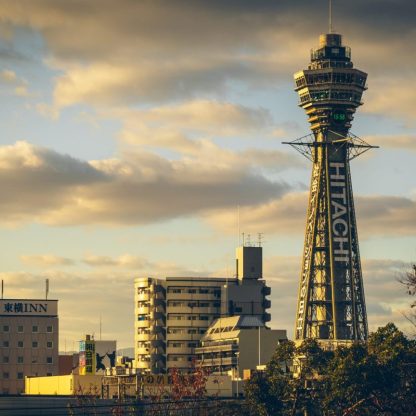
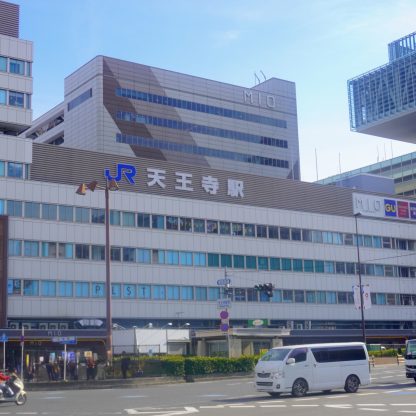
If you stay in an area with good access to major districts such as Namba, Umeda, or Tennoji, you can head out for sightseeing during the day and then spend a relaxed evening in a kominka.
With a hotel, sightseeing and accommodation can feel separate, but because kominka lodgings blend into the neighborhood, even simply walking around after check-in makes it easier to feel the atmosphere of the local area.
For example, just choosing side dishes from a shopping street or dinner at a local eatery can give you a sense of time that feels true to that place.
The charm of Osaka’s kominka accommodations lies in the fact that they let you experience the local atmosphere without sacrificing travel efficiency.
Experience Osaka’s Downtown Culture
Osaka has many downtown neighborhoods where old-fashioned warmth and human connection still remain.
In areas where individually owned shops line the shopping streets and you can overhear conversations among regular customers, it becomes easier to feel a side of Osaka that is different from the usual tourist image.
That is because you can encounter the rhythm of daily life, the closeness between people and shops, and the general warmth of the neighborhood—things that are easy to miss if you only visit major tourist attractions.
This makes it a good style of stay for people who want a memorable trip that offers more than just photogenic scenes.
If You Stay in a Kominka in Osaka, “CONTEXTED Osaka” Is Recommended
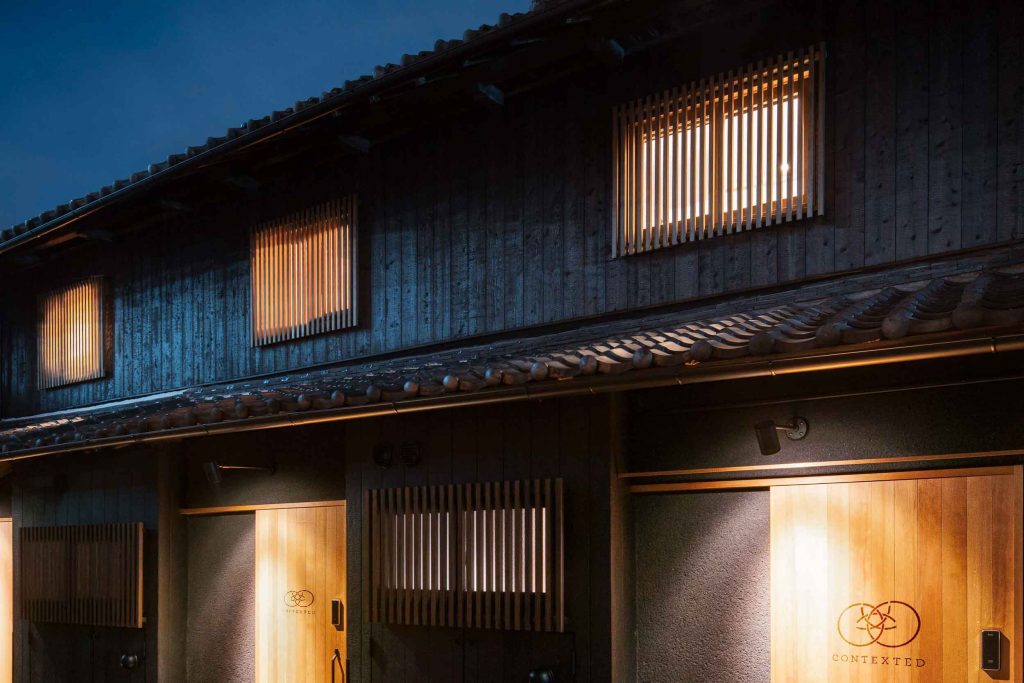
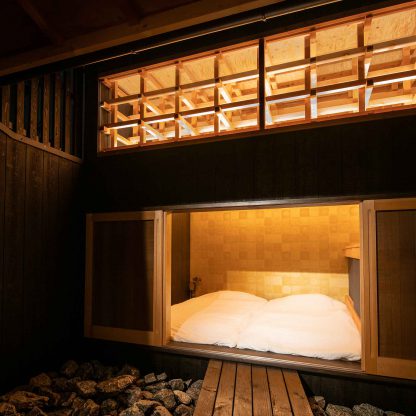
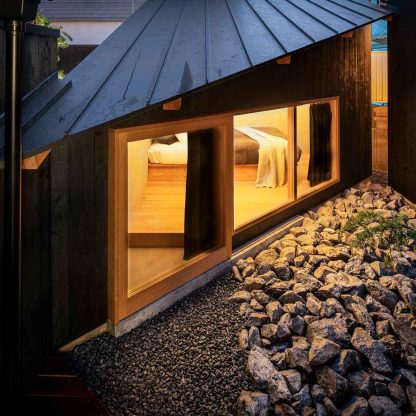
“CONTEXTED Osaka” is a whole-house rental accommodation created by renovating a 100-year-old row house located in Ikuno Ward, Osaka City.
It features three accommodation buildings with unique designs and concepts—“SORA,” “TEN,” and “GEN.” Although each has a different theme, all are based on the concept of helping guests “spend a special time.”
■ A renovated accommodation facility in a historic row house over 100 years old
■ Each building accommodates about 7 to 8 guests, with a maximum of 23 guests in total
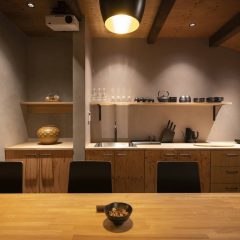
■ Fully equipped with modern amenities such as high-speed Wi-Fi, a large-screen projector, and a washer-dryer
■ Conveniently located for sightseeing in Osaka while also allowing guests to enjoy the downtown atmosphere
■ A 24-hour supermarket, shopping streets, and public bathhouses are all within walking distance
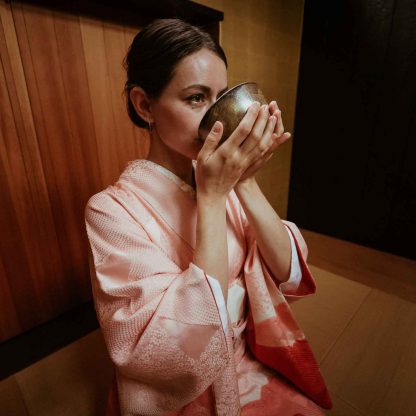
If you feel that, “Since this is a special trip, I want to be particular about the hotel too,” why not stay in a space where you can feel Japanese culture and art, and create beautiful photo memories?
Please consider staying at “CONTEXTED Osaka.”