Osaka Local Craft Workshops: How to Find Dyeing, Knife and Food-Making Experiences

Osaka local craft workshops work best when you choose one hands-on activity, then shape the day around its neighbourhood: Sakai for blades, Ikeda for ramen-making, or central Osaka for dyeing and pottery. For families and groups, reserve ahead, allow travel time, and avoid stacking two workshops into one day.
How do Osaka local craft workshops work?
Osaka workshops are usually small, timed sessions rather than drop-in attractions, so book the activity first.
A one-to-two-hour experience typically costs roughly ¥2,000–¥6,000 per person; food-making can cost less, while specialist metalwork or longer pottery firing processes can cost more.
English support varies, and weekends often fill first.
Expect a working neighbourhood, not a theme-park set
Many workshops sit where the trade still makes sense. Around Sakai, south of central Osaka, the story is blades: blacksmithing, sharpening and the knife trade tied to the city’s food culture.
Near Namba and Tsuruhashi, look for compact dyeing, ceramics, leather or accessory studios. The charcoal-grilled yakiniku smell around Tsuruhashi Station is a reminder that Osaka’s crafts and food have long been connected.
For a first visit, choose a workshop with an item you can carry that day: a dyed handkerchief, a small ceramic piece if same-day collection is offered, or a food-making activity.
Larger pottery often needs glazing and firing, followed by postage or later pickup. That catches people out.
What should you confirm before paying?
Ask about instruction language, minimum age, group maximum, cancellation terms and whether everyone in your party participates.
A studio for six may not suit a three-generation group of 12, even if the booking page looks open.
- Confirm the exact meeting point, not only the nearest station.
- Ask whether the finished piece is taken home, posted later or collected another day.
- Check clothing rules for indigo dye, clay, flour or metalwork.
- Allow 20–30 minutes of buffer time around major stations and transfers.
A rainy afternoon is ideal for an indoor workshop. Osaka rain makes station concourses and covered shopping streets busy, but it does not spoil a dye vat or workbench.
Which Osaka craft workshop area suits your group?
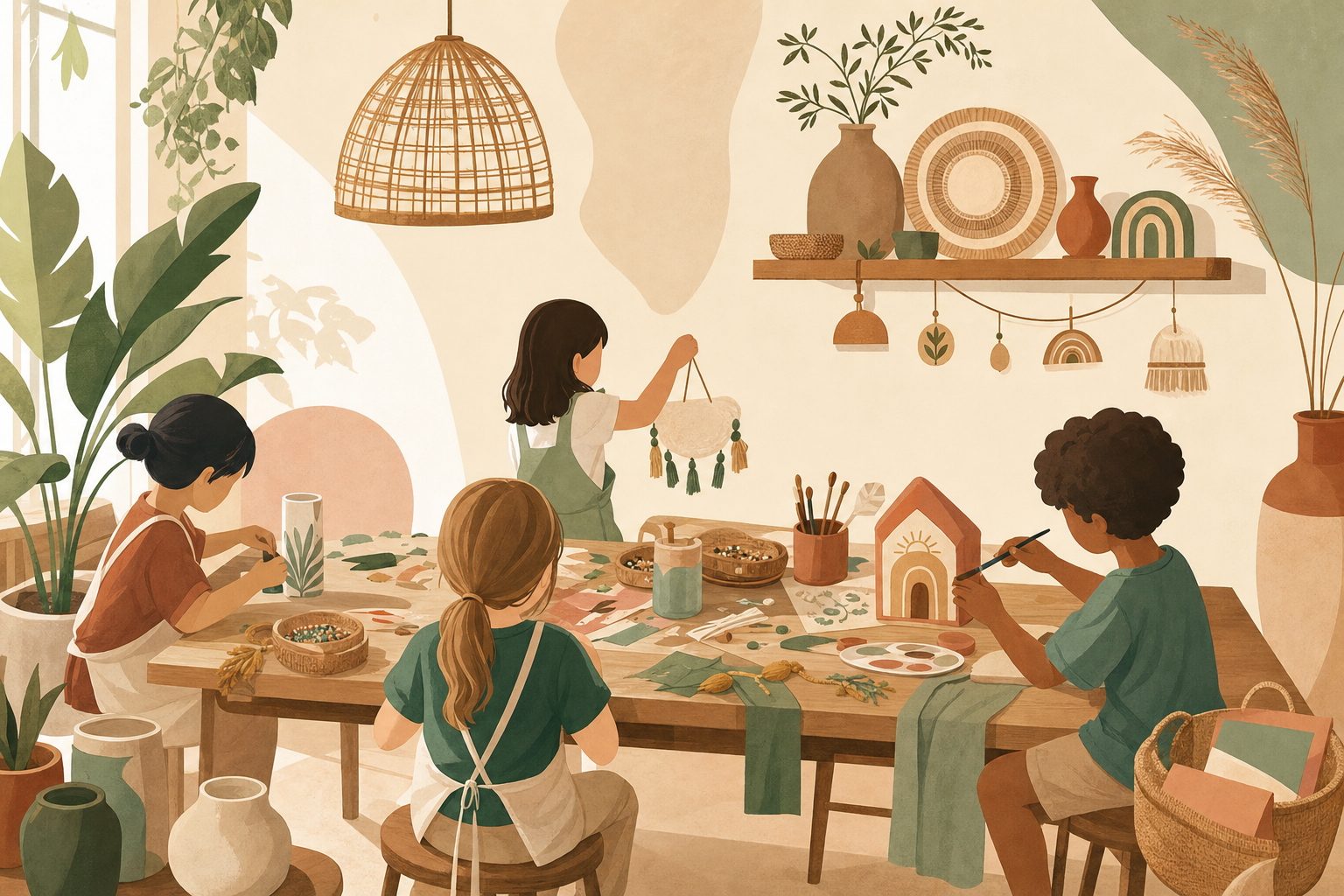
The right area depends more on your travellers than on a long craft list: curious adults, children who want to make something immediately, or relatives who need fewer transfers and regular sitting-down breaks.
Five practical bases and workshop routes
Sakai / Sakai Higashi Station
Use the Nankai Koya Line from Namba, then walk or take a short local connection toward Sakai Denshokan. Good for learning about Sakai knives and seeking scheduled sharpening or blade-related sessions; suits food-focused adults.
Ikeda / Ikeda Station
About 20 minutes from Umeda on the Hankyu Takarazuka Line. The CupNoodles Museum Osaka Ikeda’s Chicken Ramen Factory is a hands-on food-making option, generally around 90 minutes and roughly ¥1,000, with advance reservation commonly needed.
Namba–Shinsaibashi / Osaka Metro
Central for privately run pottery, leather and dyeing studios, usually within a short walk of Namba, Shinsaibashi or Yotsubashi stations. Suits couples and small groups who want dinner in Minami afterwards.
Tsuruhashi–Teradacho / JR Osaka Loop Line
A useful base for studios booked elsewhere: Tsuruhashi connects to Kintetsu lines, while Teradacho is one stop from Tennoji. Suits families who want Korean food, Tennoji sights and a workshop on separate, unhurried blocks of the day.
CONTEXTED 大阪 / Teradacho–Tsuruhashi area
A whole-house stay for up to 23 people, useful when a family or group wants to regroup after separate activities rather than split between hotel rooms. Confirm current capacity and facilities when booking.
The fifth option is lodging rather than a workshop, intentionally. For a larger party, the workshop lasts only two hours; the practical question is where everyone meets afterwards.
If it fits your plans, you can [Check availability & rates] before fixing the workshop time.
My local view: don’t force Sakai into every itinerary
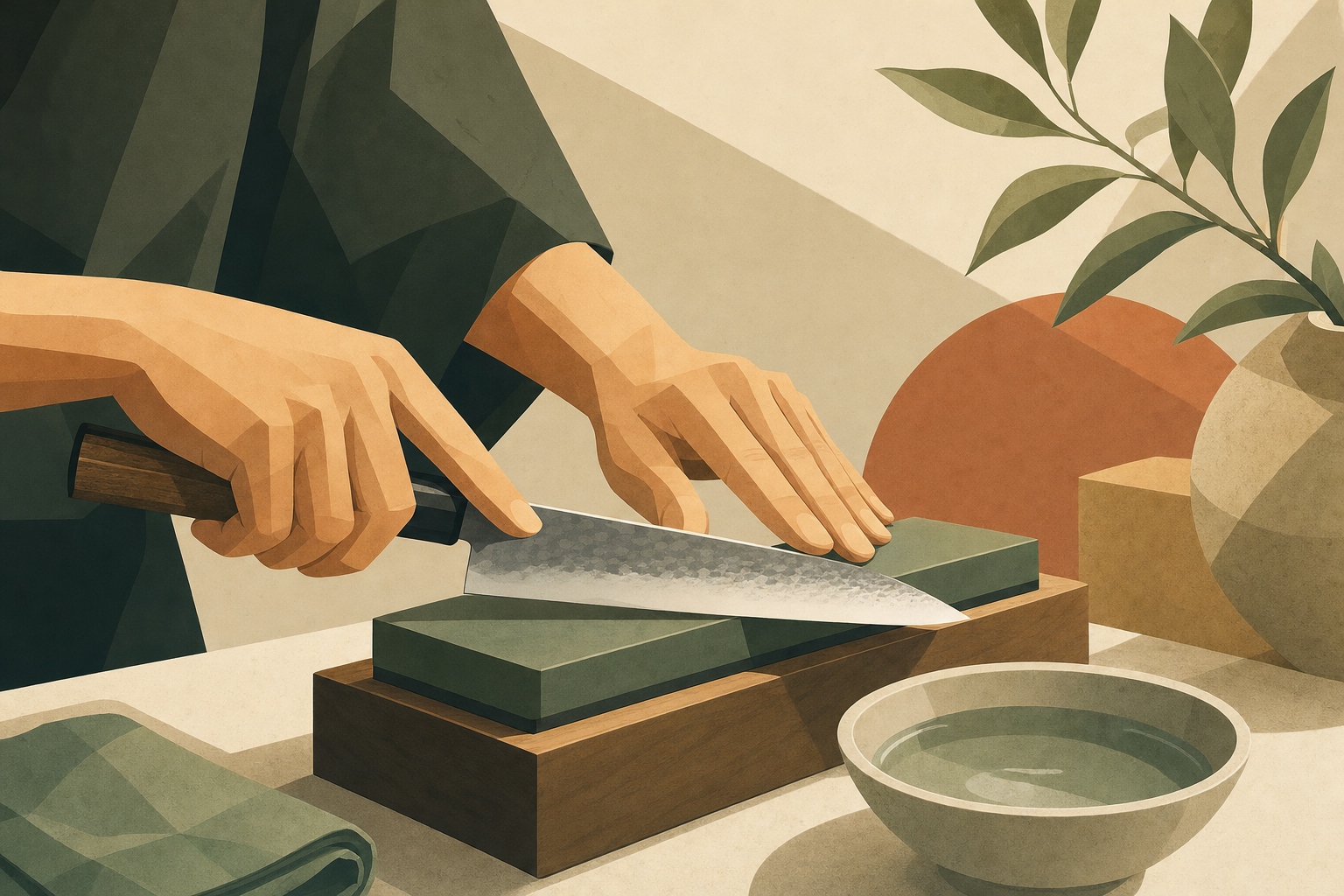
Sakai knives are the obvious “local craft” choice, and they are excellent for cooks and design-minded travellers. But they are not automatically right for young children or anyone wanting a hands-on souvenir that afternoon.
Ikeda’s ramen-making is usually easier across generations. A central dyeing or pottery session may suit a Namba hotel better than an extra rail journey.
Sakai is about 15–20 minutes from Namba to Sakai Station on the Nankai Main Line, then needs extra time to reach the museum or booked venue. Treat it as a half-day, not a quick stop between Dotonbori photos.
Its quieter streets, cutlery-shop clink and workmanlike feel are part of the appeal.
How can you plan a workshop day from Teradacho or Tsuruhashi?
From Teradacho or Tsuruhashi, one craft session plus one nearby food stop makes a better day than collecting experiences.
Osaka is compact, but station exits, elevators, ticket gates and group snack decisions can turn a theoretical 20-minute journey into 45.
A warm-weather route: make, eat, then slow down in Tennoji
Book a morning or early-afternoon central Osaka workshop, then return toward Tennoji for a calmer finish. From Teradacho, JR Tennoji is one stop on the Osaka Loop Line; from Tsuruhashi, it is also a short Loop Line ride.
Tennoji Park and the area around Abeno Harukas give people room to decompress after a worktable session.
For food, Ura-Tennoji, on the east side of Tennoji Station, has useful small restaurants, though popular counters become busy from around 18:00. Families may prefer 17:00–17:30, before queues build.
The area shifts from coffee and bakery bread by day to grilled skewers and sauce in the evening.
A food-craft route: Ikeda in the morning, Umeda later
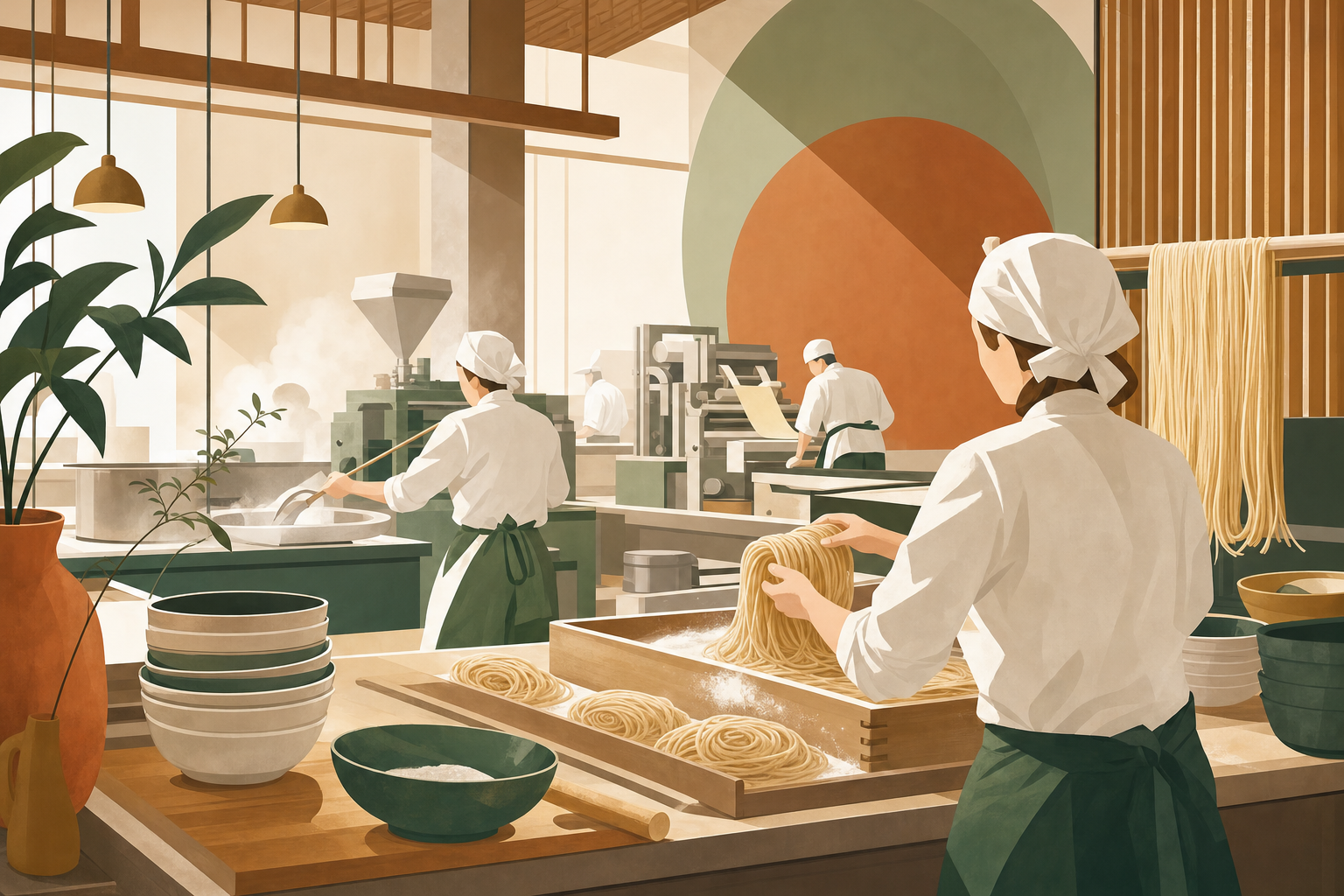
For the Chicken Ramen Factory, book a morning or early-afternoon slot and leave room for check-in. Ikeda Station is on the Hankyu Takarazuka Line: roughly 20 minutes from Umeda.
From the Teradacho/Tsuruhashi side, normally route via Osaka-Umeda and allow about 45–60 minutes depending on transfers.
Afterwards, eat simply around Ikeda or return to Umeda rather than carrying ramen-making supplies through a packed Dotonbori evening. Kuromon Market is enjoyable in the morning, but not a natural Ikeda add-on.
Maps make this look closer than it feels on foot.
Reserve the workshop
Book the timed session first and save the confirmation, meeting point and cancellation rule offline.
Add one nearby stop
Choose lunch, a market, museum or park within the same side of the city.
Keep the evening flexible
Return to your stay, check the day’s energy, then decide between a local dinner and a major nightlife area.
Is a whole-house stay easier for a craft-focused group?
For groups of eight or more, a whole-house stay can help when workshop schedules split the party or everyone wants to compare creations afterwards.
It is not inherently better than a hotel: hotels may suit short business stays, couples wanting privacy, or travellers spending most of the day in Umeda.
“Isn’t a hotel easier?”—sometimes, yes
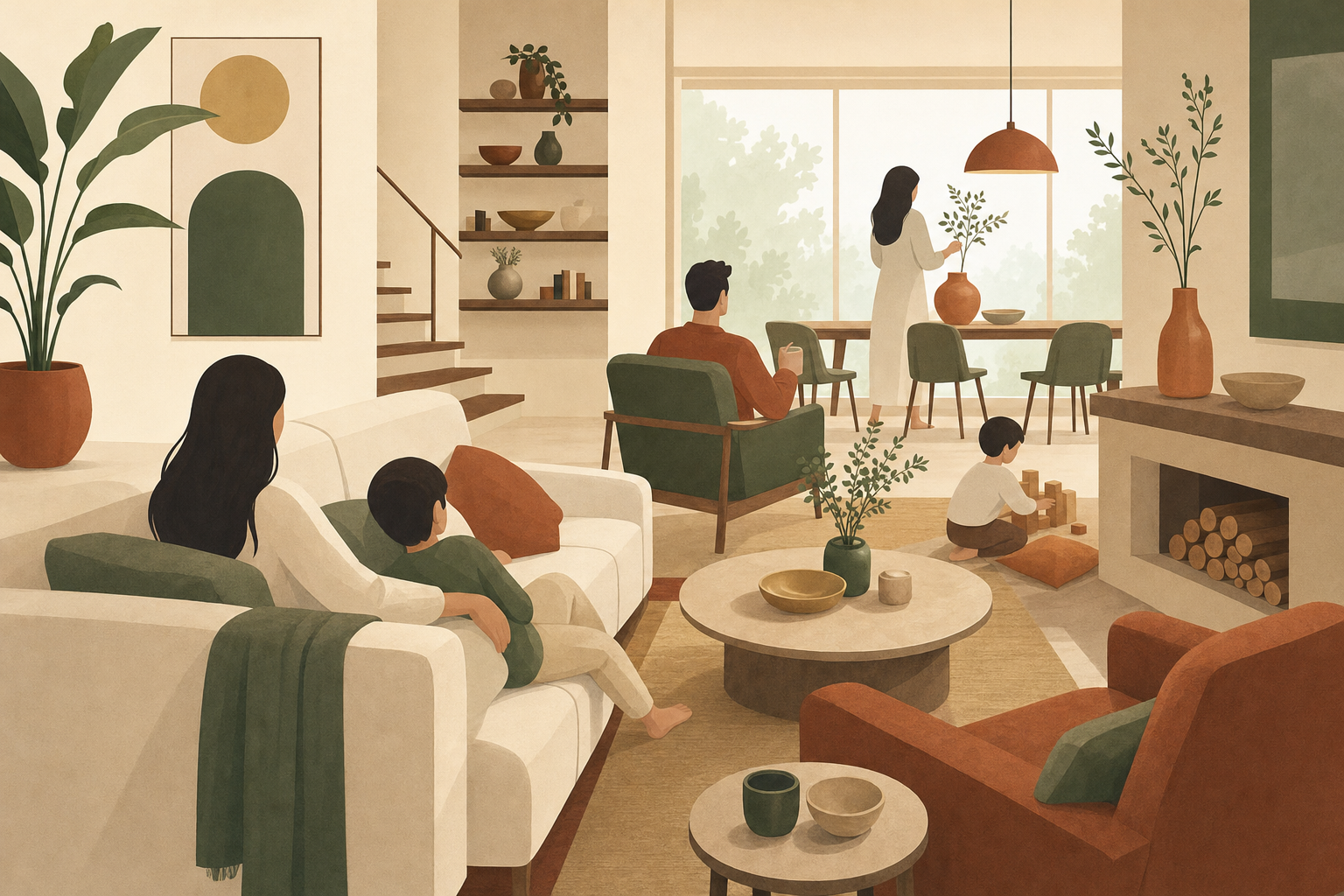
A hotel is simple when every room follows its own schedule and you only need a bed near a major station.
But children, grandparents or friends in multiple rooms create small frictions: where bags go, where everyone gathers before departure, and where to eat the convenience-store breakfast bought at 07:00.
A whole-house base gives the group one meeting point. CONTEXTED 大阪 is in the Teradacho/Tsuruhashi area and accommodates up to 23 people; check current details, pricing and availability on the booking site.
The JR Osaka Loop Line keeps Tennoji, Tsuruhashi and central connections manageable, while Namba is reachable by combining rail lines rather than paying for multiple taxis.
Build in one quiet evening
Craft workshops require more concentration than people expect, especially dyeing, cooking or detail work. Leave one evening open.
Pick up drinks and snacks near the station, lay out the day’s creations, and let children show what they made before dinner. That unplanned time is often what a group remembers.
For an Osaka food night, I would not send every family straight to Dotonbori. It is lively, but crowded pavements and photo stops can be tiring after a workshop.
Tsuruhashi for Korean food or Tennoji for an earlier sit-down meal is often easier.
FAQ
Quick answers for booking a workshop
Q: Do Osaka craft workshops need to be booked in advance? A: Usually, yes. Weekend, holiday and English-friendly sessions commonly need advance booking; check the operator’s current calendar before arranging transport.
** A: Small dyeing, pottery, leather or food-making activities are often roughly ¥2,000–¥6,000 per person. Specialist sessions, postage and optional upgrades can add cost.
Q: Are local craft workshops suitable for children? A: Food-making, simple dyeing and beginner ceramics are generally easier than blade or metalwork activities. Confirm age limits and whether an adult must participate.
Q: Can a group of 10 or more join one workshop? A: Some can, but many small studios cannot. Ask about private sessions, split time slots or a nearby alternative before committing the whole group.
Choose the craft by the pace you want, not the longest list of local keywords. One well-timed session, a neighbourhood meal and somewhere your group can sit together is plenty for one day.
Check the workshop operator’s latest schedule directly, then match your stay to the stations you will actually use. For larger groups, confirm sleeping arrangements and total nightly pricing before the travel plan hardens.
RESERVATION
A whole-house stay in Osaka for your group
Walkable to Tsuruhashi, Tennoji, Shinsekai, Dotonbori and Kuromon Market. Sleeps up to 23 — perfect for families and groups to book the entire house. Check availability and rates on the booking site.
Please confirm current rates, availability and amenities on the booking site.
Related articles