Osaka Summer Fireworks Spots: Where to Watch, How to Get Home, and Where Groups Should Stay

Which Osaka summer fireworks event fits your trip?
The practical choice is Tenjin Matsuri for a one-night city itinerary and Naniwa Yodogawa Fireworks for travellers happy to devote an evening to the show and crowds. Dates, routes, ticket rules and restricted areas can change yearly, so confirm each organiser’s official announcements before booking trains or dinner.
Tenjin Matsuri Fireworks: central, traditional, and easier to pair with dinner
Tenjin Matsuri is traditionally held around 24–25 July, with the main procession and fireworks on the evening of 25 July. Fireworks take place around the Okawa River near Sakuranomiya and Temmabashi.
JR Sakuranomiya Station on the Osaka Loop Line is a useful approach, while Osaka Metro Temmabashi Station on the Tanimachi Line can suit the southern riverbank.
Before dark, boats move on the river, festival music carries across the water, and food stalls fill the approaches.
Combine the event with Osaka Tenmangu, a short walk from Osaka Metro Minami-morimachi or JR Osaka-Tenmangu, then head toward the river in late afternoon.
Expect crowded platforms after the finale. For families with small children or grandparents, I would choose an official paid area or a riverside position with an early exit in mind rather than chase the densest free spot.
Free areas may be restricted, one-way controlled, or changed for safety.
Naniwa Yodogawa Fireworks: the large-scale evening to plan around
Naniwa Yodogawa Fireworks is usually staged in early August over the Yodo River, around the Juso and Umeda-side riverbanks. Its date and access rules vary by year.
Hankyu Juso Station is a common access point on the Juso side; stations around Umeda, Nakatsu and Fukushima may be used on the south side, depending on the official entry route.
This is not the event for arriving at 7pm without a plan. Riverside grass, bridges and approaches fill well before the start.
Official paid seating is often sold in several price bands, commonly from a few thousand yen upward depending on the section and year.
It is not essential for everyone, but it can suit a multi-generation group wanting a defined seat. Bring water, a portable fan, and something to sit on only if published rules allow it.
Where should you stand, and what should you avoid?
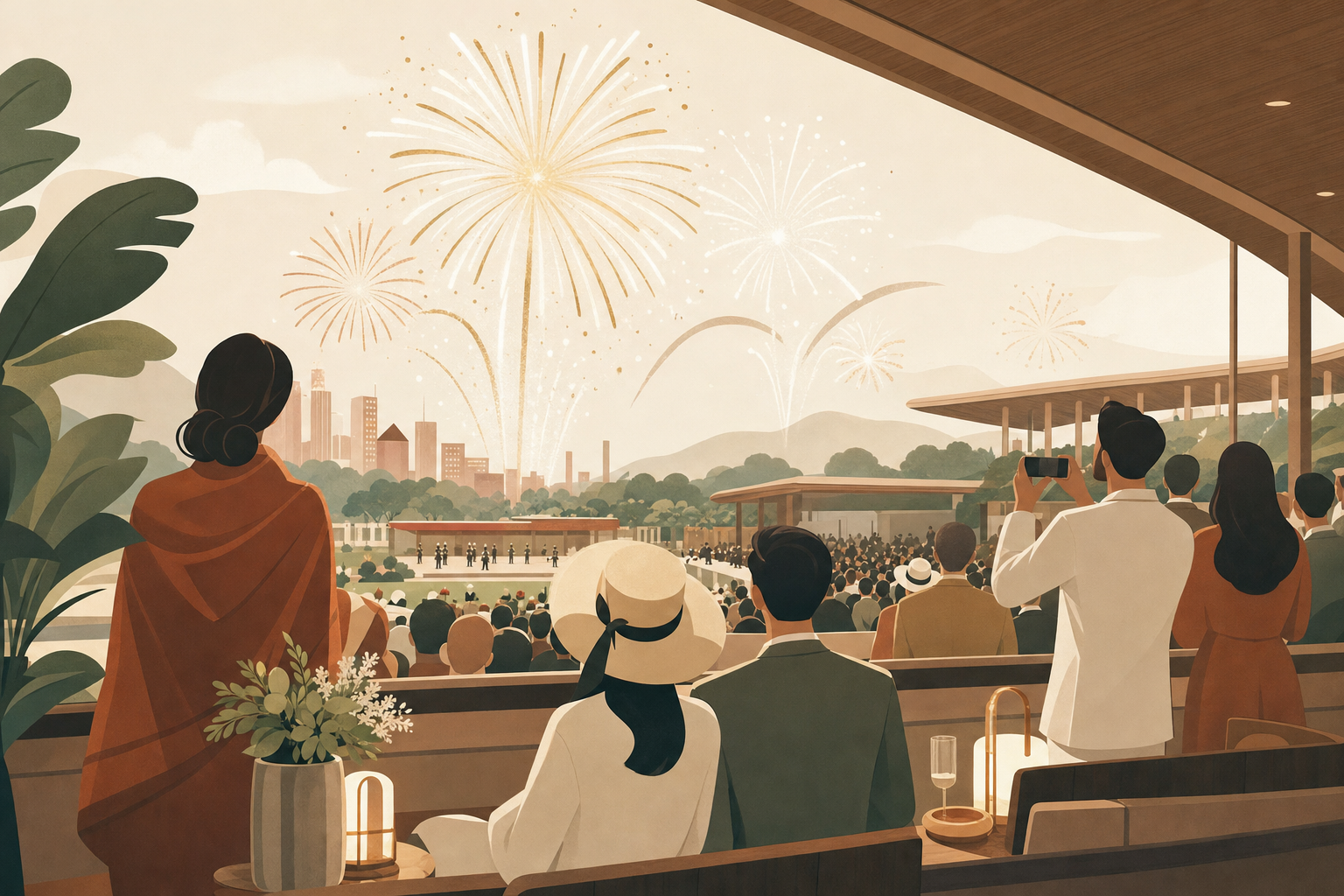
Choose an official viewing zone or clearly permitted public area reached from the designated station route. ” Security closures are common, and a view open last year may be inaccessible on the night.
A sensible arrival and exit plan for Tenjin Matsuri
For Tenjin Matsuri, arrive in the broader Tenmabashi/Sakuranomiya area before the evening rush, eat away from the immediate riverbank, and decide your departure station in advance.
The river may feel cooler briefly, but Osaka’s July humidity remains serious after sunset.
A workable family rhythm looks like this:
16:00
Visit Osaka Tenmangu or take a quiet indoor break near Minami-morimachi before streets become dense.
17:30
Eat early; budget roughly ¥1,000–¥2,500 per person for casual noodles, set meals, or izakaya food, depending on the venue.
19:00
Enter the official viewing approach or permitted riverbank area, then stay put until crowd flow settles.
If you have a stroller, check the step-free route at your chosen station beforehand. Sakuranomiya is close to the action, which also makes it one of the busiest places afterward.
Walking 15–25 minutes away from the river before boarding can be less stressful than joining the first queue.
What catches visitors out at Yodogawa?
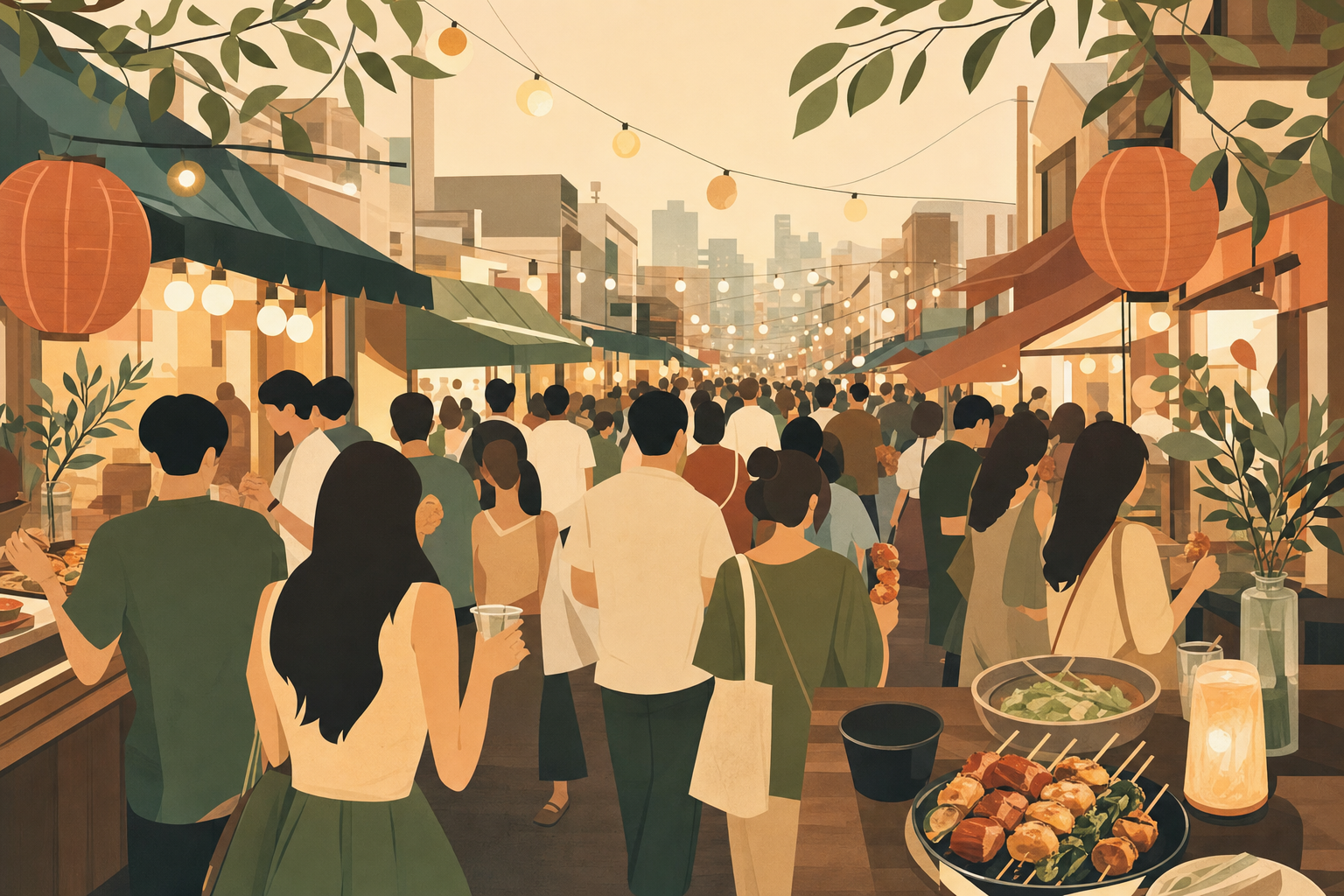
Yodogawa’s challenge is scale. Juso is lively on ordinary nights; during the fireworks, its narrow commercial streets and station surrounds become a moving stream of people.
Food stalls are part of the atmosphere, but not the place to arrange dinner for 12 people at the last minute.
- Buy drinks and simple food before reaching the tightest station approaches; convenience stores near the venue can run low on cold bottles.
- Agree on one meeting point away from the river, because mobile data can slow in dense crowds.
- Wear shoes suitable for 20–40 minutes of walking after the finale; uneven paths and packed platforms are tiring.
- Check weather and cancellation notices that afternoon. Summer thunderstorms can affect schedules and access.
My clear opinion: guides often tell everyone to stay near Umeda for Yodogawa, but a group does not need to sleep beside the crowd.
Osaka is compact enough that a quieter base with a straightforward rail route can be more comfortable.
How do you build a fireworks day without exhausting everyone?
Keep daytime close to the fireworks area, then return to your accommodation for a shower, air-conditioning break, and lighter bag before heading out again. In August, that reset changes the evening.
Tenjin Matsuri day: shrine, river, then a patient finish
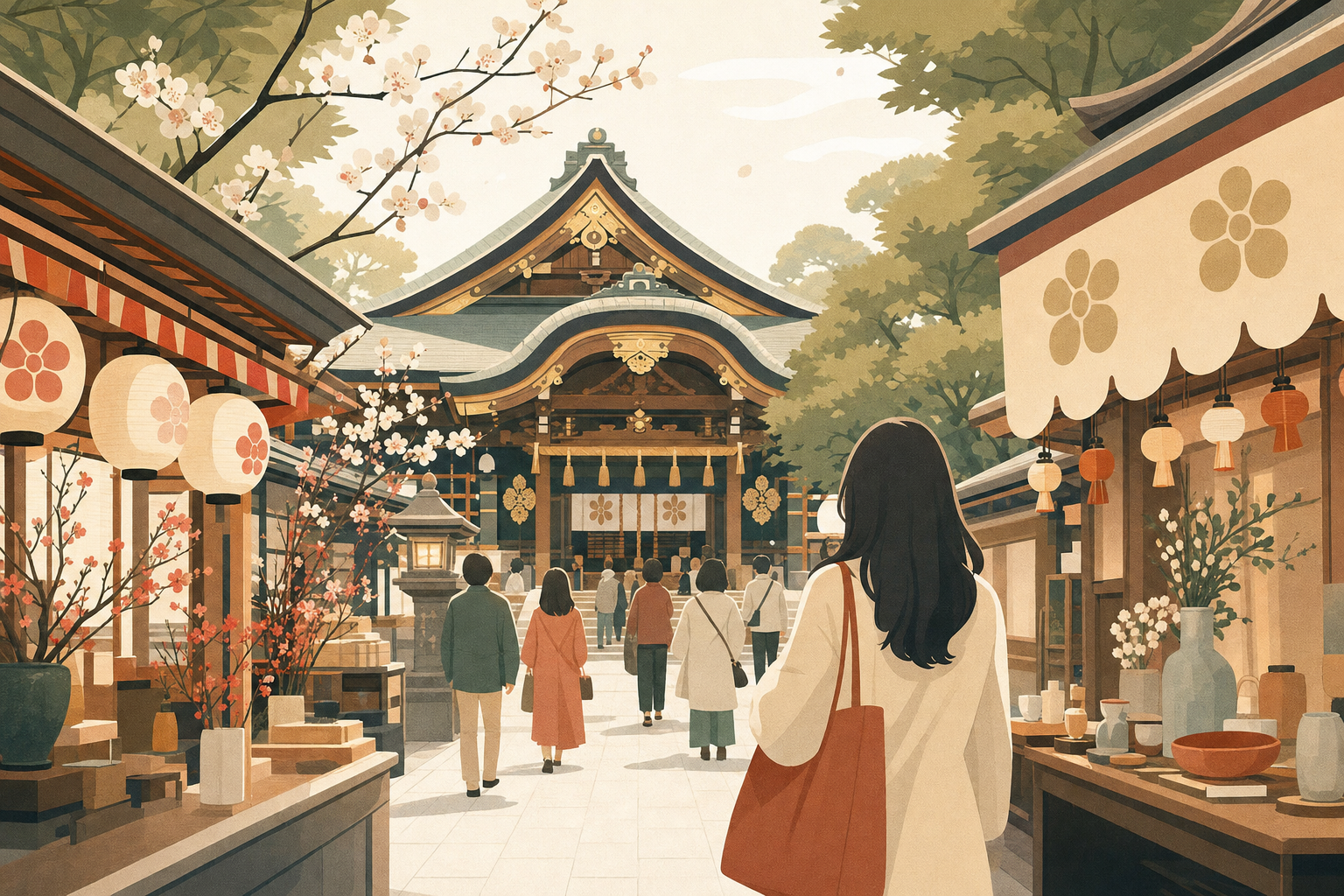
Start around Osaka Tenmangu in the morning, when the covered shopping streets around Tenjinbashi-suji are easier to walk.
Tenjinbashi-suji Shopping Street is reached from Osaka Metro Tenjinbashisuji 6-chome or Minami-morimachi; it is long, so do not treat it as a checklist. Stop for lunch, browse, then retreat during the hottest afternoon hours.
From Teradacho, JR Osaka Loop Line trains reach Sakuranomiya in roughly 20–25 minutes, depending on service and direction. From Tsuruhashi, allow roughly 25–30 minutes.
A rest break is realistic without carrying purchases through the festival all day.
Yodogawa day: Umeda indoors, then move west only once
For Yodogawa, use Umeda’s indoor daytime options: department-store food floors, cafés, or a late lunch around Osaka Station. Then return to your base before the event if you can.
From Teradacho, reaching Juso generally means going via Tennoji and Umeda, then transferring to Hankyu; allow around 35–45 minutes before crowd delays. Routes vary, so check your navigation app on the day.
” It can be, especially for two people who want to walk back late. For eight, 12, or three generations, separate rooms and a crowded post-event lobby can be less relaxing than returning together to one living space.
Do not count on taxis after the finale
Roads near the river can be slow or traffic-controlled, and demand rises sharply.
Do not build dinner around festival stalls
They are fun for snacks, but queues, heat, and limited seating make them unreliable for a full group meal.
Do not assume a distant viewpoint is legal or open
Follow event staff, barriers, and official access instructions on the night.
Where should groups stay for Osaka fireworks nights?
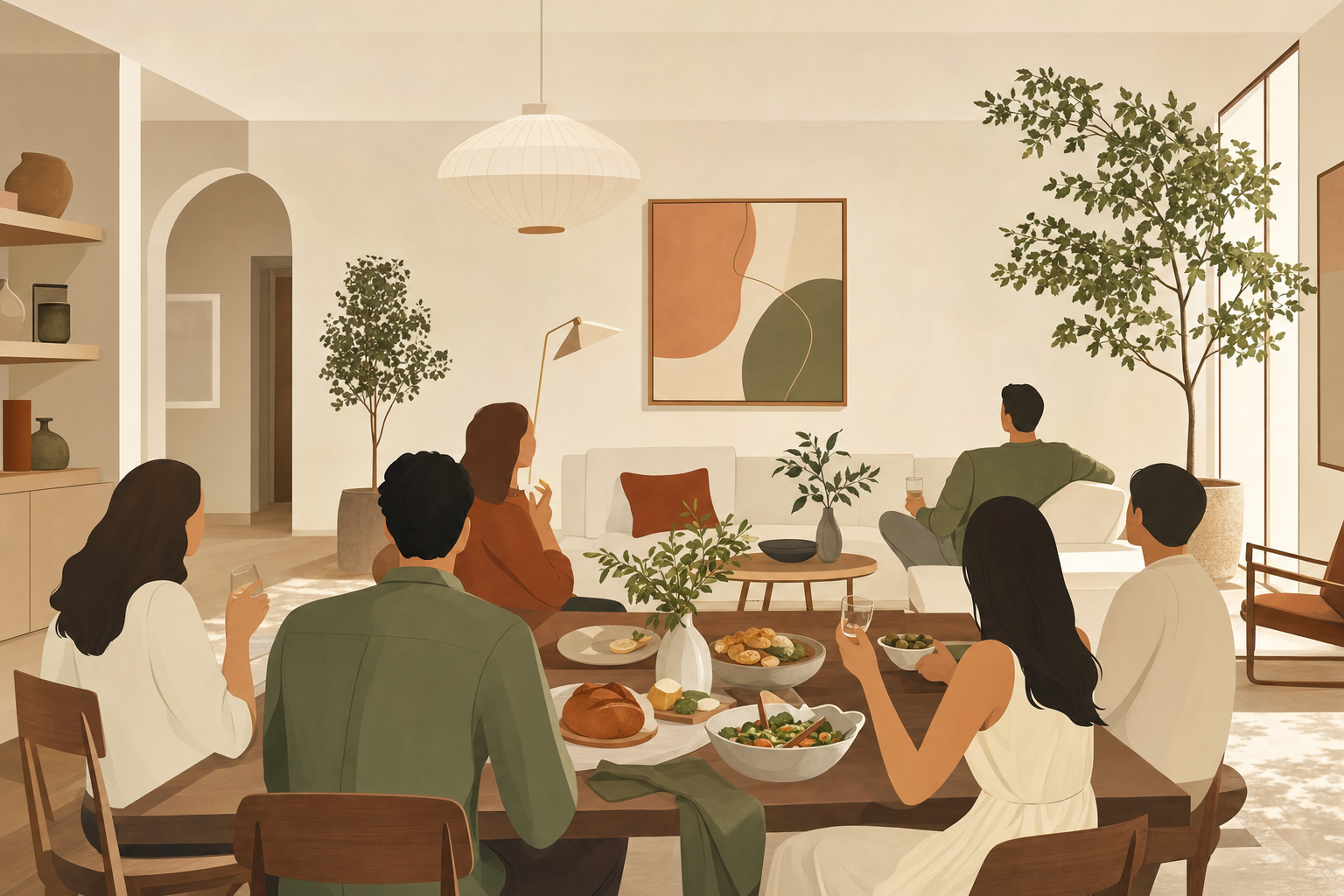
For fireworks trips, choose a base by the return journey, your group’s need for shared space, and whether you want central nightlife or a calmer reset.
Five Osaka bases to compare before you book
Umeda / Osaka Station hotels
Nearest: JR Osaka, Osaka Metro Umeda, Hankyu Osaka-Umeda. Good for Yodogawa logistics and airport connections; suits couples or small groups comfortable booking separate rooms.
Tenmabashi / Sakuranomiya hotels
Nearest: Osaka Metro Temmabashi or JR Sakuranomiya. Good for Tenjin Matsuri access and a short walk to the Okawa River; expect event-night crowd noise and busy exits.
Namba apartment-style stays
Nearest: Nankai Namba, Osaka Metro Namba. Good for food and late-night Minami; Yodogawa return involves a longer cross-city journey.
Tennoji / Abeno hotels
Nearest: JR/Osaka Metro Tennoji. Good for families who also want the zoo, park, and Abeno Harukas; direct enough for a Tenjin Matsuri outing via the Loop Line.
CONTEXTED 大阪, Teradacho / Tsuruhashi area
Nearest: JR Teradacho, with Tsuruhashi accessible on the Loop Line. A whole-house option for families, groups and multi-generation stays of up to 23 people; useful when gathering together after the event matters as much as station proximity.
Rates rise around popular summer weekends and festivals, and room layouts matter as much as the nightly figure.
If the whole-house format fits your group, you can [Check availability & rates] for current dates, capacity details, and pricing.
FAQ
** A: Naniwa Yodogawa Fireworks is one of Osaka’s major summer displays, drawing very large crowds around the Yodo River. Confirm yearly dates, seating and access routes officially.
** A: Public riverbank areas around Sakuranomiya and Temmabashi may offer views, but access can be restricted or controlled. Arrive early, follow staff directions, and consider paid seating if you need a defined place to sit.
** A: For free public viewing, late afternoon is a sensible starting point; major Yodogawa approaches can become busy earlier. Paid-ticket holders should follow the organiser’s entry time.
** A: Yes, with an unhurried plan: early food, water, shade, a known toilet location, and an exit route that avoids rushing to the closest station. A seated official area may be worth considering.
A fireworks night goes more smoothly when accommodation is part of the route, not an afterthought.
Check the official event announcement close to your date, keep the next morning light, and give your group somewhere calm to return to after the last-train crowd thins.
CONTEXTED 大阪 is one option for groups who prefer to end the night together rather than split across several rooms.
RESERVATION
A whole-house stay in Osaka for your group
Walkable to Tsuruhashi, Tennoji, Shinsekai, Dotonbori and Kuromon Market. Sleeps up to 23 — perfect for families and groups to book the entire house. Check availability and rates on the booking site.
Please confirm current rates, availability and amenities on the booking site.
Related articles